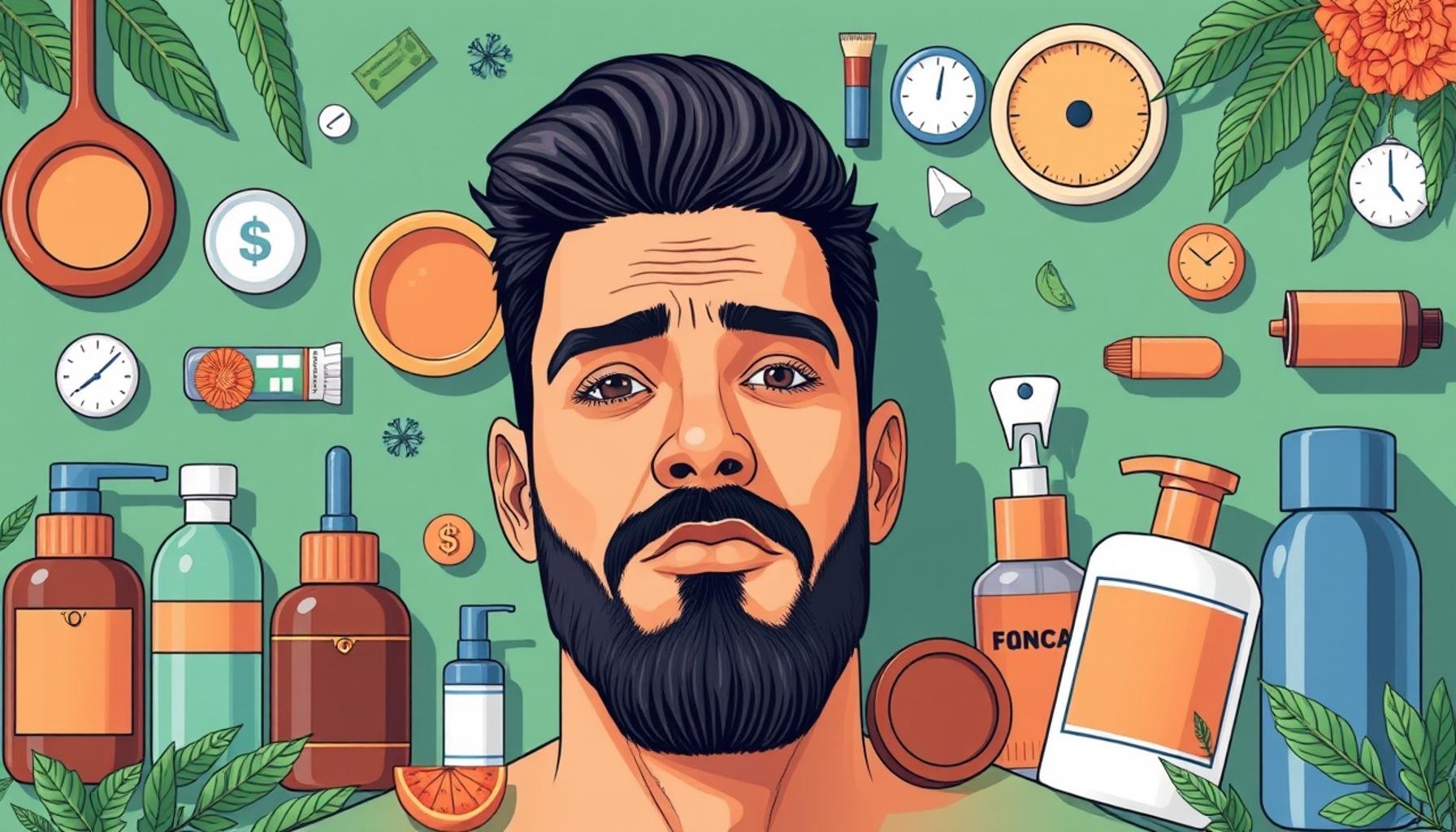
The Evolution of Facial Care: From Simplicity to Advanced Technology

Introduction to Facial Care’s Evolution
The pursuit of radiant skin has always been a focal point in human culture, underpinning societal norms of beauty, health, and wellness. Despite its ancient roots—where herbal concoctions and natural oils were the mainstay of skincare—today’s approach is not only deeply intertwined with science but also invigorated by the marvels of technology. This significant evolution from rudimentary practices to a thriving, high-tech industry encapsulates an intricate story enriched by tradition, innovation, and an ever-growing understanding of dermatological science.
Historic Remedies laid the foundation for modern skincare, as ancient Egyptians famously utilized ingredients like honey and aloe vera, while the Chinese employed ginseng and green tea for their medicinal properties. These age-old practices were passed down through generations, revealing the age-old human desire to enhance and protect skin health through nature’s bounty. For example, in the Roman era, the use of oils such as olive and almond not only served practical purposes—like moisturizing skin and ensuring it remains supple—but became synonymous with status and luxury.
With the dawn of the 20th century, the cosmetics industry underwent a significant transformation driven by the introduction of commercial skincare products. Brands like Estée Lauder and Elizabeth Arden emerged, pioneering serums, creams, and toners that became essential elements in beauty routines. This marked a turning point where skincare transcended its functional use and began to encapsulate notions of self-care and personal expression.
In the latter half of the century, scientific innovation burgeoned with dermatology’s evolution, leading to specialized treatments for acne, rosacea, and anti-aging. Dermatologists began formulating products that combined medicinal properties with luxury appeal, giving rise to brand leaders like Proactiv and Neutrogena. Such advancements underscored the importance of understanding skin physiology and the role of various ingredients, such as retinoids and peptides, in improving skin’s appearance.
Recently, the convergence of technology and skincare has sparked a revolutionary shift in facial care practices. Innovations like AI-Powered Analytics are now commonplace, offering users the ability to analyze their skin’s unique characteristics through apps. This personalized approach tailors recommendations for skincare regimens, adjusting to changing needs in real time. Similarly, Smart Devices such as facial cleansing brushes and LED therapy masks have gained traction among consumers, turning once-standing rituals into high-tech experiences. Notably, brands like FOREO and Dr. Dennis Gross are leading the charge in integrating these gadgets into daily routines.
Furthermore, Personalized Products have emerged, addressing the uniqueness of individual skin types. Brands like Curology and Function of Beauty curate custom formulations, creating specific solutions based on detailed quizzes and consultations with skincare experts.
This fusion of technology and traditional wisdom not only enhances product efficacy but also transforms the consumer experience. As we continue to explore the intricate landscape of skincare, the balance achieved between ancient knowledge and modern technique forms a compelling narrative—a narrative that celebrates both our past and our future in the realm of beauty and skin health. With every new discovery, the journey toward healthier skin captivates and inspires many, inviting further inquiry and exploration into the endless possibilities of skincare innovation.
The Shift from Traditional Practices to Commercial Skincare
The trajectory of facial care has undergone a remarkable transformation, especially with the advent of the 20th century. As the dynamics of society shifted, so too did the practices that defined skincare routines. The early 1900s marked the emergence of the commercial cosmetics industry, which demonstrated a significant departure from the homemade remedies of the past to the formulation of scientifically engineered skincare products.
During this era, pioneers like Estée Lauder and Elizabeth Arden catalyzed a movement that introduced the concept of commercial skincare lines. Their products, ranging from nourishing creams to toners, laid the groundwork for an industry that emphasized not only the practical benefits of skincare but also the association of personal grooming with self-empowerment and confidence. It was a new era where skincare was no longer just about necessity; it became a lifestyle.
As societal attitudes towards beauty evolved, there was an increasing awareness of the role of skin health. The introduction of ingredients such as hyaluronic acid and antioxidants into mainstream products signified a shift towards preventive skincare. The idea that one could actively mitigate signs of aging or combat acne not only became a widely accepted phenomenon but also informed consumer behavior—a pivotal moment when the demand for scientific backing started to collide with practical beauty standards.
Technological Innovations in the Late 20th Century
By the late 20th century, the convergence of dermatology and technology dramatically reshaped facial care. Innovations brought a deeper understanding of skin biology, allowing products to be tailored to specific conditions like acne, rosacea, and hyperpigmentation. Dermatologists synthesized medical knowledge with aesthetic appeal, paving the way for a new generation of skincare products. This period was characterized by:
- The introduction of Retinoids: Used initially for their acne treatment properties, retinoids became a staple in anti-aging regimens.
- Alpha Hydroxy Acids (AHAs): These were revealed to enhance skin texture and tone, leading to the adoption of chemical exfoliation in mainstream skincare.
- Sun Protection Factor (SPF) products: Emphasizing the importance of sun safety, the rise of SPF in daily skincare routines reinforced preventive care.
This scientific integration helped establish a greater trust in the efficacy of skincare, marking the turn towards evidence-based practices. Brands like Proactiv, with their targeted acne solutions, became household names, illustrating consumers’ growing preference for products backed by clinical research.
As we delve further into the 21st century, it’s clear that the evolution of facial care does not rest solely on the products themselves but also on the way consumers engage with them. Advances in technology had yet to fully unfold, laying the stage for a new era of personalized skincare.
The Evolution of Facial Care: From Simplicity to Advanced Technology
The transformation of facial care over the years is a fascinating journey that intertwines tradition with innovation. Initially, skincare was simple, relying heavily on natural ingredients and home remedies that were passed down through generations. Cleansing with water, using oils, and applying herbal pastes were common practices. These natural yet effective solutions created a foundation for skin health, emphasizing a minimalist approach that many still appreciate today.
As the cosmetic industry evolved, so did the understanding of skin biology and technology. The introduction of scientific research into dermatology led to the development of specialized products targeting specific skin concerns. Ingredients like hyaluronic acid, retinol, and peptides have revolutionized facial care, allowing consumers to address issues such as aging, acne, and dryness with unprecedented efficacy.
Furthermore, the rise of digital technology has completely transformed the way consumers approach beauty. From online consultations with dermatologists to personalized skincare regimens suggested by apps, technology bridges the gap between consumer needs and product offerings. This leap not only empowers users with knowledge but also customizes the experience based on individual skin types and concerns.
In this ever-evolving landscape, it is crucial to understand how factors such as sustainability and ethics are becoming significant in product formulation. Consumers are increasingly aware of the environmental impact of their choices, prompting brands to create products that are not only effective but also eco-friendly. This shift towards sustainable practices represents a critical advancement in the facial care evolution, combining science and responsibility.
| Category 1 | Category 2 |
|---|---|
| Natural Ingredients | Traditional remedies using plants and herbs |
| Advanced Formulations | Scientifically proven components for targeted benefits |
In light of these advancements, it’s imperative for consumers to stay informed and adapt their routines to include the latest innovations. The integration of technology and sustainability in facial care marks a new era of skincare, reminding us that progress does not come at the cost of our planet but rather in harmony with it.
The Rise of Personalization in Skincare
As we transitioned into the 21st century, the proliferation of the internet and the rise of social media platforms ignited a seismic shift in how consumers approached facial care. The digital landscape provided a space for dialogue and shared experiences, making personalized skincare an overarching trend. Consumers began to seek tailored solutions rather than one-size-fits-all products, spurring an explosion in companies that utilized advanced technology to offer bespoke skincare experiences.
One of the key innovations during this period was the introduction of skin analysis tools. Devices that measured skin hydration, texture, and even microbial composition allowed consumers to better understand their unique skin profiles. Brands such as SkinCeuticals and Curology embraced this trend, tailoring formulations based on real-time feedback from these assessments. This shift not only encouraged consumers to take a more active role in their skincare routines but also reinforced the idea that a personalized regimen could yield significantly improved results.
The advent of artificial intelligence (AI) in skincare further transformed the landscape. AI-powered apps emerged that could analyze selfies to diagnose skin issues and recommend specific products most suited to an individual’s skincare needs. For instance, apps like Think Dirty and Skincare AI allowed users to scan products, scrutinizing their ingredient lists for potential allergens or irritants. This technological integration created an informed consumer base, prompting brands to prioritize transparency and ingredient efficacy.
The Impact of Clean Beauty
Aligning with the increasing demand for personalized skincare, the clean beauty movement emerged as another pivotal evolution in facial care. Consumers grew increasingly conscientious about the ingredients in their skincare products, favoring formulas free from harmful chemicals and synthetics. This transition was marked by the rise of brands like Tarte Cosmetics and Herbivore Botanicals, which emphasized natural ingredients without compromising on effectiveness.
Additionally, the clean beauty trend often intersects with sustainability concerns; brands began to focus on eco-friendly packaging and sourcing practices, aligning with consumers’ ethical standards. The emphasis on natural formulations coincided with the recognition of skin as an organ that absorbs substances, compelling individuals to reconsider their skincare choices. According to a recent survey, about 62% of U.S. consumers reported seeking out products labeled as “clean” or “natural,” illustrating the significant impact of this consciousness on skincare purchasing trends.
Moreover, as the demand for clean beauty products surged, so did scrutiny on labeling and ingredient efficacy. Brands were tasked not only with promoting their products but also with substantiating their claims through scientific research. This led to collaborations between chemists and dermatologists to create products that were not only safe but also effective in addressing consumers’ specific skin concerns.
The combination of personalized skincare solutions, AI technology, and the clean beauty movement signifies a paradigm shift in the facial care industry. Today’s consumers expect more than just efficacy; they desire an experience—a narrative behind the product and assurance of its safety and sustainability. As skincare continues to evolve, it is clear that the intersection of advanced technology and informed choices will shape its future, compelling both consumers and brands to engage in a more meaningful dialogue about skincare efficacy.
Conclusion
The journey of facial care has been nothing short of remarkable, evolving from simple home remedies to a sophisticated industry that leverages cutting-edge technology. Today’s skincare market thrives on a foundation of personalized experiences and informed choices, where innovations like artificial intelligence and skin analysis tools enable consumers to address their individual needs with unprecedented precision. As the demand for personalization continues to rise, brands that prioritize transparency and ingredient safety gain traction, reflecting a collective shift towards the clean beauty movement.
This evolution signals a new era in skincare—one where consumers are no longer passive recipients of products but active participants in a dialogue about their skin health. The integration of advanced technology and conscious consumerism ensures that the future of facial care remains adaptive and responsive to emerging needs. With an increasing number of individuals seeking products that champion both efficacy and sustainability, the industry faces a pivotal moment. A recent study shows that as many as 78% of consumers indicate a willingness to switch brands in pursuit of greener alternatives, underscoring the rising value placed on ethical practices.
In conclusion, the evolution of facial care encapsulates a blend of tradition and innovation, pushing the boundaries of what is possible in personal grooming. As we navigate this dynamic landscape, it is imperative for both brands and consumers to remain engaged, adapting to new scientific advancements and societal expectations. This ongoing dialogue about skincare efficacy, ingredient transparency, and environmental responsibility will undoubtedly shape the future of the beauty industry, inviting all to explore the complexities and possibilities within facial care.

Beatriz
Beatriz Johnson is a seasoned skincare specialist and writer with a passion for simplifying the complexities of beauty science and skincare routines. With over a decade of experience in the aesthetics industry, she specializes in topics like ingredient efficacy, anti-aging strategies, and global beauty trends. Through her work, Beatriz empowers readers to make informed skincare choices and stay ahead in the ever-evolving world of beauty and wellness.