How to Choose the Right Product for Your Hair Type: Personalized Product Guide
Finding the Perfect Match for Your Hair
In the vast world of hair care, selecting the right products can seem like navigating a labyrinth. With countless brands and formulations available, the challenge often lies in pairing your unique hair type with suitable products. The journey towards healthy, vibrant hair begins by understanding your individual hair characteristics and needs.
One of the fundamental aspects to consider is hair texture. Different textures require different care strategies. Here are some of the predominant types:
- Straight: This type generally has a smooth and shiny appearance but can be prone to greasiness. Straight hair benefits from lightweight conditioners that help prevent it from looking limp and oily.
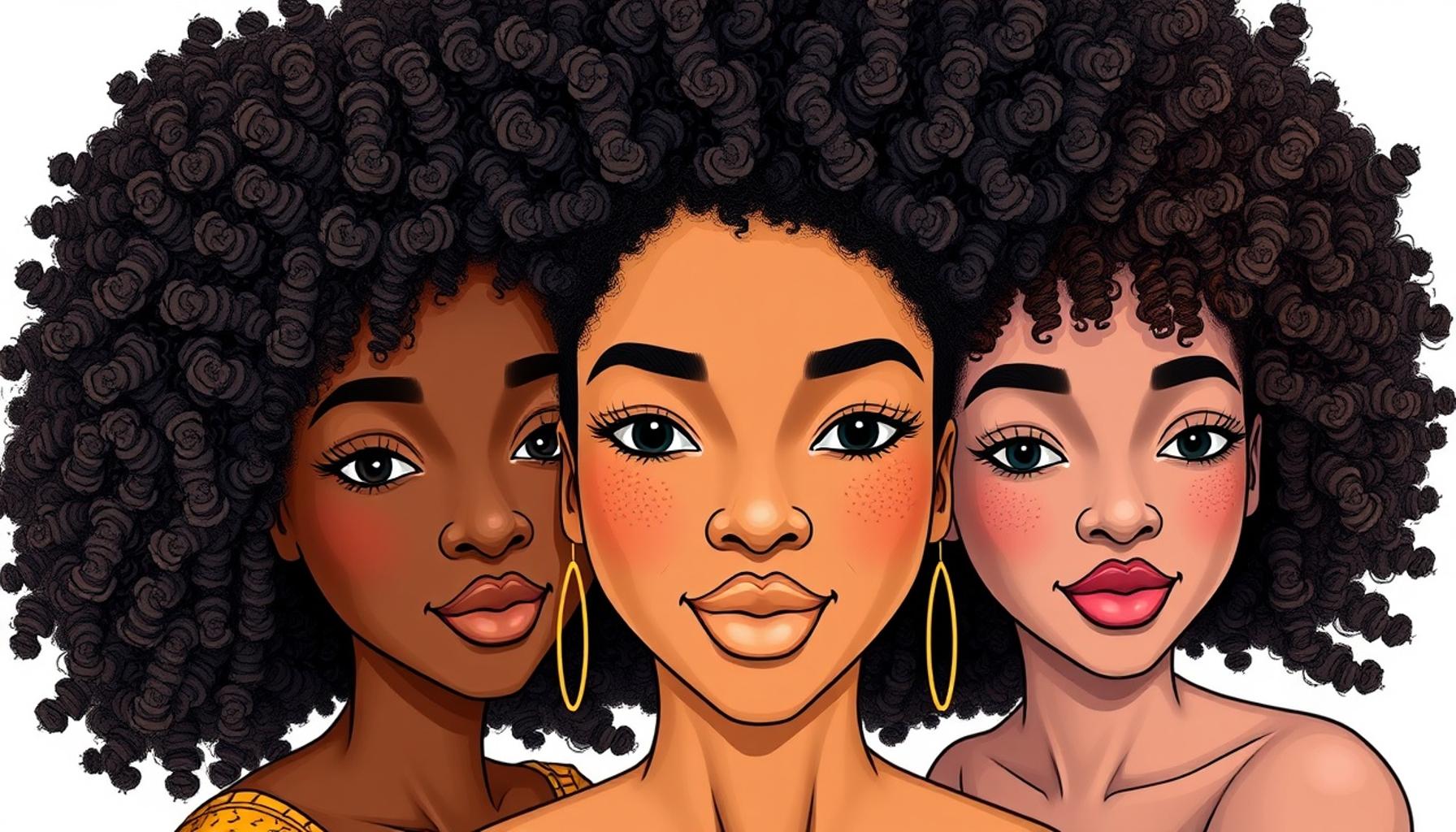
- Curly: Those with curly hair often seek products that provide ample moisture and aids in defining their curls. Consider using creams specifically designed for curl enhancement, which can help minimize frizz and add bounce.
- Wavy: Wavy hair embodies a blend of straight and curly attributes. Products with a light hold can maintain the shape without weighing the hair down. Sea salt sprays can also add texture and enhance natural waves.
- Kinky: This extremely textured hair often craves hydration and protection. Deep conditioning treatments, as well as oils and butters, can restore moisture and provide the necessary shield against breakage.
In addition to texture, it’s essential to evaluate your hair’s condition. Understanding whether your hair is:
- Dried out: If your locks feel brittle, look for hydrating shampoos and conditioners fortified with nourishing ingredients like argan oil or shea butter.
- Oily: For those with greasy hair, clarifying shampoos can be a game-changer. These products remove excess oil without stripping essential moisture when used correctly.
- Color-treated: Color-treated hair requires special attention. Using sulfate-free formulas not only preserves color vibrancy but also helps maintain the integrity of the hair structure.
Finally, your styling preferences will significantly impact the type of products you choose. Consider whether you wish to:
- Enhance shine with glossing serums or light oils that add a lustrous finish.
- Reduce frizz, particularly in humid conditions, with smoothing creams that create a barrier against moisture.
- Add volume, which is crucial for fine hair, through volumizing mousses or root-lifting sprays.
By identifying these crucial criteria—texture, condition, and styling desires—you set the stage for discovering products that cater specifically to your needs. This personalized approach not only ensures that you achieve stunning hair but also elevates your overall hair care ritual into an enjoyable and effective experience. Get ready to embrace your journey to beautiful hair!
Decoding Your Hair Type
Understanding your hair type is the cornerstone of an effective hair care routine. To embark on your quest for the perfect hair products, start by identifying the specific needs of your hair. Each hair type exhibits unique characteristics that dictate how it reacts to various products. By gaining insights into your own hair’s composition and behavior, you can make informed decisions that will lead to beautiful, healthy locks.
Assessing Your Hair Thickness
Another vital factor in choosing the right products is hair thickness. Hair thickness can be categorized into three main types: fine, medium, and thick. Each type requires tailored strategies to enhance its natural beauty.
- Fine Hair: This hair type tends to be delicate and may lack volume. When selecting products, opt for lightweight formulations that add body without weighing hair down. Look for volumizing shampoos and conditioners that create lift at the roots.
- Medium Hair: The most versatile of the types, medium hair balances the characteristics of fine and thick. It can often accommodate a variety of products, but avoid those that are too heavy. Creams and serums designed for medium hair often help maintain moisture and reduce frizz without compromising volume.
- Thick Hair: With a larger diameter, thick hair can be more resistant to styling and may have a tendency to feel coarse. Products that provide hydration and smoothness, like moisturizing masks or leave-in conditioners, will promote manageability and shine.
Identifying Your Scalp Type
Your scalp type also plays a significant role in determining the right products. It is essential to match hair products not only with the hair but also with the scalp to achieve optimal results. There are three primary scalp types: oily, dry, and normal.
- Oily Scalp: Those with an oily scalp should look for products that balance oil production. Shampoos with ingredients like tea tree oil or charcoal can help absorb excess sebum while maintaining cleanliness.
- Dry Scalp: A dry scalp often leads to flakiness and itchiness. Products containing hydrating elements, such as aloe vera or coconut oil, can soothe irritation and provide essential moisture.
- Normal Scalp: This balanced scalp type benefits from gentle cleansing and hydrating properties. A balanced shampoo and conditioner system that nourishes the hair without overdoing it is ideal.
By pinpointing your hair thickness and scalp type, you can narrow down the vast array of products available and make choices that align with your specific needs. Understanding these fundamental aspects not only simplifies your shopping experience but also empowers you with the knowledge to create a hair care routine that works for you. Remember, the journey to beautiful hair starts with the right products tailored to your unique characteristics!
Understanding Your Hair Type
Choosing the right product for your hair is a journey that begins with understanding your unique hair type. Hair types are generally classified into four main categories: straight, wavy, curly, and coily. Each type possesses its own characteristics and therefore requires different care techniques and products. For instance, straight hair may benefit from lightweight formulas that prevent oiliness, while curly hair often craves moisture and frizz control.
Identifying Your Hair’s Needs
After determining your hair type, it’s essential to identify its specific needs. Factors such as porosity, density, and texture play a crucial role in product selection. Porosity, or how well your hair absorbs moisture, can inform whether you need a heavy, hydrating cream or a lightweight serum. Understanding density helps in selecting products that won’t weigh your hair down, ensuring your strands stay bouncy and healthy.
Customizing Your Hair Care Routine
Once you’ve assessed your hair type and its needs, it’s time to create a personalized hair care routine. Tailoring your choices leads to better results. For example, those with color-treated hair should look for products that enhance color retention while providing essential moisture. Balancing cleansing with nourishing treatments is crucial, as skipping either step can hinder your hair’s health and appearance. Make room for a mix of cleansing shampoos and rich conditioners that complement each other.
Exploring Product Ingredients
Pay close attention to product ingredients. Some hair types thrive on natural oils and butters, while others may react better to botanical extracts or proteins. Look out for key ingredients like shea butter for hydration, argan oil for shine, and keratin for strength. Understanding these elements not only refines your selection but also allows you to embrace the science behind hair care.
| Category of Hair Type | Recommended Product Features |
|---|---|
| Straight Hair | Lightweight formulas; volumizing properties |
| Curly Hair | Moisturizing ingredients; anti-frizz technology |
Trial and Error
Finding products that work best for your hair often involves some trial and error. This process is crucial for discovering what truly benefits your strands. It’s advisable to start with travel sizes or samples before committing to full-size products. Monitor your hair’s response over time to ensure long-lasting success. By adopting this individualized approach, you can cultivate a routine that aligns with your unique hair journey.
Selecting Hair Care Products Based on Texture and Porosity
Once you’ve identified your hair thickness and scalp type, the next step is to delve into the intricacies of hair texture and porosity. These two factors are essential in determining how your hair reacts to products and moisture, providing another layer of customization in your hair care regimen.
The Role of Hair Texture
Hair texture refers to the curl pattern or straightness of hair strands, which falls broadly into four categories: straight, wavy, curly, and coily. Understanding these textures will play a pivotal role in your product selection.
- Straight Hair: Generally resistant to curls and can appear shinier, straight hair can often benefit from volumizing products to add body to the locks. Lightweight mousse and styling sprays can work wonders in product application, offering lift without creating stiffness.
- Wavy Hair: Characterized by a natural S-shape, wavy hair seeks balance between frizz control and definition. Look for styling creams and sea salt sprays that enhance waves while providing hydration to maintain texture. Moisturizing shampoos can help maintain the wave without weighing it down.
- Curly Hair: Curly hair often craves moisture due to its structure which makes it prone to dryness. Products with curl-enhancing ingredients, such as curl creams and leave-in conditioners, are beneficial. Avoid products with alcohol as they can exacerbate dryness and frizz.
- Coily Hair: With its tight curls and coils, this hair type is the most prone to dryness and requires intense hydration. Creams, butters, and oils formulated specifically for coily hair will help lock moisture in, ensuring that curls are well-defined and bouncy.
Understanding Hair Porosity
Hair porosity, which measures how well your hair absorbs and retains moisture, can significantly influence product selection. It is classified into three types: low, medium, and high. Awareness of your hair’s porosity is crucial as it dictates the types of products that may work best for you.
- Low Porosity: Hair with low porosity has tightly bound cuticles that resist moisture penetration. Lightweight oils or products with a water-based formula can help in this case. Avoid heavy creams that sit on the surface rather than being absorbed.
- Medium Porosity: This hair type is relatively easy to manage as it retains moisture well. Products across a wide spectrum are effective, from hydration-rich serums to smoothing creams. It can handle protein treatments, balancing hydration and strength.
- High Porosity: Often a product of damage or over-processing, high porosity hair absorbs moisture quickly but loses it just as fast. Look for products containing protein and heavy moisturizers to help seal those cuticles. Oils like argan or castor can also be beneficial to lock in moisture.
By taking into account both hair texture and porosity, you can refine your search for ideal products. Tailoring your choices based on these characteristics allows you to develop a personalized hair care routine that not only enhances your hair’s natural beauty but also promotes its health and manageability. As you explore various products, keep an eye out for ingredients that cater specifically to your unique qualities, leading you closer to truly stunning hair every day.
Conclusion: Unlocking Your Hair’s Potential
Choosing the right hair products is a journey that goes beyond mere trial and error; it’s about understanding and responding to the unique characteristics of your hair. By examining elements such as texture and porosity, you can craft a personalized hair care regimen that not only meets your immediate styling needs but also nurtures healthy growth over time. This holistic approach ensures that you are not just masking issues with temporary solutions but addressing the core requirements of your hair.
Remember, what works for one person may not work for another; hence, it’s essential to experiment cautiously to find your perfect match. Invest time in reading labels, exploring ingredient lists, and paying attention to how your hair feels after each product application. Engaging with online communities or consulting professionals can offer additional insights tailored specifically to your needs.
In a world flooded with options, aligning your product choices with your hair’s specific demands will help unlock its potential, allowing you to embrace its natural beauty. So whether you are rocking curls, waves, or sleek strands, the quest for the perfect products is not just about aesthetics—it’s an essential part of maintaining your hair’s health and vitality. For anyone ready to enhance their hair game, taking this personalized approach is your best bet. Dive into your unique journey to fabulous hair, and enjoy every moment of the discovery!

Beatriz
Beatriz Johnson is a seasoned skincare specialist and writer with a passion for simplifying the complexities of beauty science and skincare routines. With over a decade of experience in the aesthetics industry, she specializes in topics like ingredient efficacy, anti-aging strategies, and global beauty trends. Through her work, Beatriz empowers readers to make informed skincare choices and stay ahead in the ever-evolving world of beauty and wellness.