The Impact of Stress on Hair Health: Strategies to Minimize the Effects
The Impact of Stress on Hair Health: Understanding the Connection
Stress is more than just a feeling; it has significant effects on your body, particularly in ways that may surprise you. Many individuals are unaware that emotional or physical stress can lead to a range of hair issues, including thinning and premature shedding. This connection between stress and hair health is critical to understand, as it can empower you to take proactive measures that could mitigate these effects.
When individuals experience stress, several mechanisms kick into play that can adversely affect hair health:
- Hormonal Imbalances: One of the most impactful changes occurs in hormone levels, particularly the release of cortisol, which is often referred to as the “stress hormone.” Elevated cortisol levels can disrupt the natural hair growth cycle, pushing follicles into a prolonged resting phase and ultimately leading to hair loss. This can be particularly noticeable in those already experiencing hair thinning.
- Increased Shedding: A common condition known as telogen effluvium may arise in response to stress. Here, hair follicles prematurely enter a resting phase, resulting in noticeable shedding. This condition can manifest several weeks to months after a stressful event, making it challenging to connect the dots. For many, this could mean significant hair loss occurring long after the stressor has passed.
- Damaged Scalp: Stress doesn’t just affect hair directly; it can also wreak havoc on the scalp itself. Conditions such as dandruff, seborrheic dermatitis, or even alopecia areata can be exacerbated by stress, creating an environment that is not conducive to healthy hair growth. Inflammation caused by stress can lead to itchiness and irritation, further contributing to hair health issues.
Recognizing the profound impacts of stress on hair can be crucial for addressing hair loss effectively. Fortunately, several strategies are available that can help minimize stress-related hair issues. Engaging in mindfulness practices such as meditation, yoga, or deep-breathing exercises can have a calming effect and may help reduce cortisol levels. Additionally, regular physical activity, whether it’s jogging, walking, or engaging in group sports, can significantly alleviate stress and promote overall well-being.
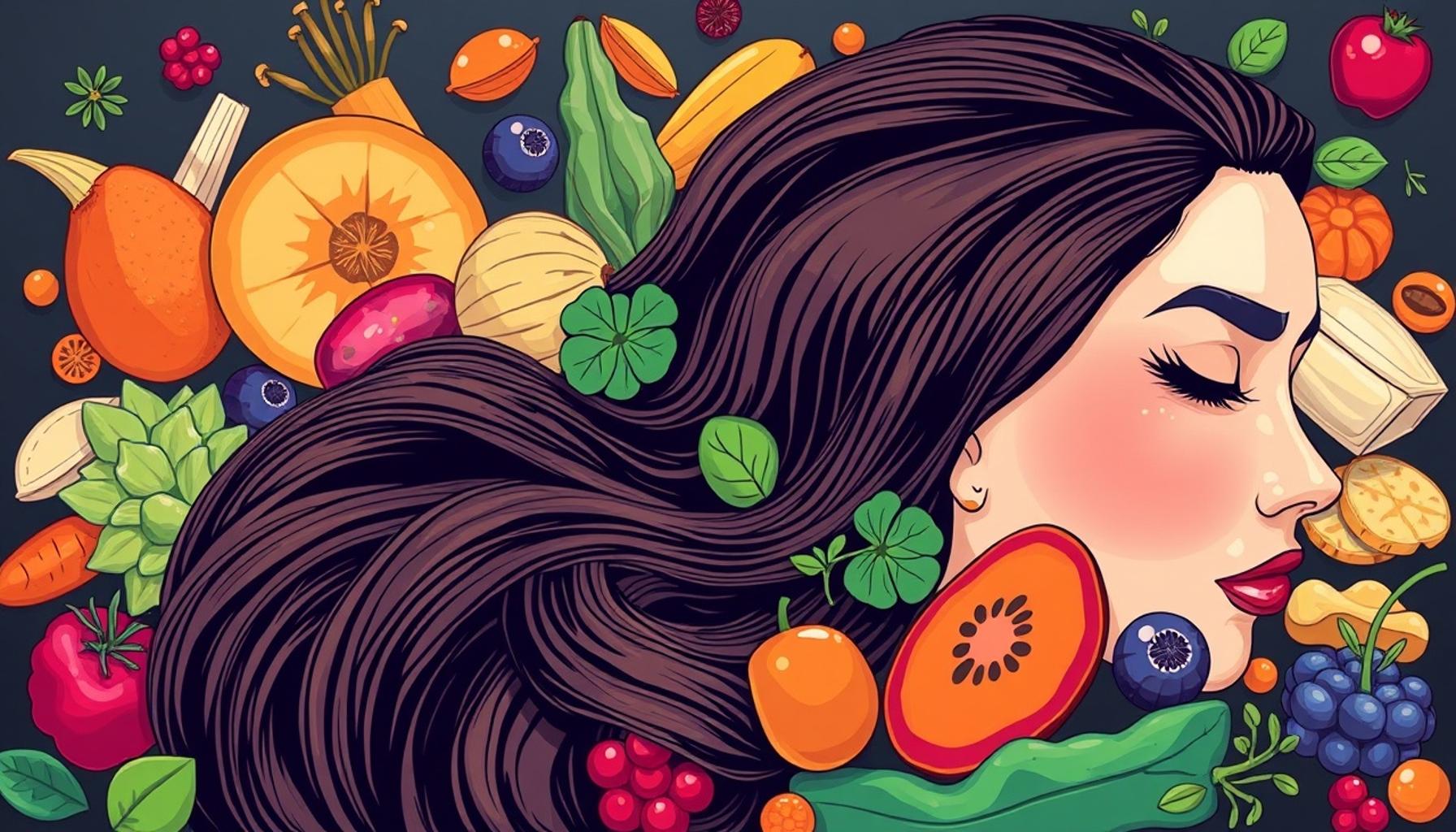
Nutritional adjustments also play a significant role in combating the effects of stress on your hair. Incorporating a balanced diet rich in vitamins and minerals—such as biotin, zinc, and omega-3 fatty acids—can foster hair health. Foods like salmon, spinach, nuts, and avocados not only nourish your body but can also contribute to thicker, healthier hair.
Finally, consider consulting with a healthcare professional or a dermatologist if you notice significant changes in your hair health. They can provide tailored advice and treatment options, ranging from topical solutions to stress management techniques. Each step you take can be part of a comprehensive plan that not only addresses stress but also promotes a healthier head of hair.
Understanding the Biological Mechanisms of Stress-Induced Hair Damage
The effects of stress on hair health are rooted in complex biological mechanisms that can lead to tangible consequences. Understanding these processes is essential for anyone looking to combat stress-related hair issues effectively. Stress triggers a series of physiological responses that can impact hair growth directly and indirectly.
When the body is under stress, it releases a cascade of hormones and chemicals designed to prepare for a “fight or flight” response. This includes an increase in cortisol, the body’s primary stress hormone. While cortisol is crucial for managing stress, consistently elevated levels can disrupt various bodily functions, including those related to hair health. Here are some notable effects:
- Weakened Hair Follicles: Prolonged exposure to cortisol can lead to weakened hair follicles. When follicles lose their strength, they become more likely to enter a dormant state, further escalating hair loss. Weak follicles also struggle to adhere to the scalp, which can lead to thinning and patchiness.
- Impaired Blood Circulation: Stress can lead to constricted blood vessels, which might reduce blood flow to the scalp. Proper circulation is crucial for delivering essential nutrients and oxygen to hair follicles. A lack of these vital resources can hinder hair growth and contribute to hair fall.
- Impact on Hair Cycle: The hair growth cycle consists of three phases: anagen (growth), catagen (transitional), and telogen (resting). Stress can cause hairs to transition prematurely from the anagen phase to the telogen phase, increasing the likelihood of shedding. This disorder often does not present immediate symptoms, but the effects can become apparent weeks or even months later.
Moreover, stress-related hormonal fluctuations can lead to conditions like androgenetic alopecia, a genetic condition that causes hair thinning and loss. In individuals predisposed to this condition, the effects of stress can accelerate onset and progression, making it vital to address both stress levels and underlying genetic factors.
Another critical factor is inflammation. Chronic stress can lead to systemic inflammation within the body, which can manifest on the scalp. Conditions such as psoriasis or dandruff can worsen as a result, creating a barrier that inhibits healthy hair growth. Recognizing how stress-induced inflammation affects the scalp health is essential for restoring hair vitality.
As we delve deeper into strategies to mitigate the stress-hair health connection, understanding these biological mechanisms serves as a foundation to create effective interventions. Implementing stress management techniques and enhanced self-care routines can provide the support needed for healthier hair and scalp and fortify resilience against stress interruptions.
The Connection Between Stress and Hair Health
Stress, whether it is acute or chronic, can significantly impact your hair. During periods of stress, your body produces stress hormones, notably cortisol. This increase can lead to various hair-related issues, including hair loss, thinning, and premature greying. Understanding this relationship is pivotal for anyone eager to maintain their hair’s vitality and resilience.
Types of Stress-Induced Hair Conditions
One notable condition is telogen effluvium, a temporary hair loss condition often triggered by intense stress. In this situation, hair follicles abruptly enter a resting phase, leading to noticeable shedding weeks or months after the stressful event. Another concern is alopecia areata, an autoimmune condition that can be exacerbated by stress, leading to patchy hair loss.
Strategies to Minimize Stress Effects on Hair
To combat the adverse effects of stress on hair, consider adopting several strategies. 1. Mindfulness and Relaxation Techniques: Engaging in meditation, yoga, or deep-breathing exercises can help lower stress levels. These practices promote relaxation and can foster healthier hair growth.2. Nutritional Adjustments: A balanced diet rich in vitamins and minerals essential for hair health—such as vitamins A, C, D, E, and B vitamins, as well as iron and zinc—can help strengthen hair during stressful times. 3. Regular Physical Exercise: Incorporating regular exercise into your routine is an effective way to reduce stress levels. Activities like running, swimming, or even brisk walking release endorphins, which can improve your overall mood.4. Scalp Health: Pay attention to your scalp’s health by keeping it clean and well-moisturized. Regular massages can stimulate blood flow, promoting nutrient delivery to hair follicles.5. Limit Harmful Habits: Avoid excessive alcohol consumption and smoking, as these can further exacerbate stress levels and negatively impact hair health.By implementing these strategies, not only can you minimize the impact of stress on hair health, but you can also foster a holistic approach to wellness. Understanding the intricate connection between stress and hair can open doors to further discoveries about self-care and overall well-being.
Effective Strategies to Minimize Stress-Related Hair Loss
Recognizing how stress impacts hair health opens a pathway to taking proactive measures. Addressing the source of stress while implementing effective hair care strategies can drastically improve outcomes for those experiencing hair issues. A multifaceted approach often yields the best results, combining self-care rituals with professional guidance.
1. Stress Management Techniques
Integrating stress management techniques into daily routine is perhaps the most crucial step toward fostering healthier hair. Various methods can significantly impact both mental well-being and hair vitality:
- Meditation and Mindfulness: Practicing meditation aids in calming the mind, reducing cortisol levels, and enhancing focus. Studies have shown that consistent meditation can lead to lower stress levels, which may support hair health over time.
- Exercise: Physical activity is a natural stress reliever. Whether it’s yoga, running, or dancing, exercise triggers the release of endorphins, which helps mitigate feelings of stress. Additionally, improved blood circulation from exercise may enhance the nutrient flow to hair follicles.
- Healthy Sleep Patterns: Stress often disrupts sleep, creating a vicious cycle. Aim for 7-9 hours of quality sleep each night to allow the body to repair and regenerate, including the hair follicles. Establishing a nighttime routine can improve sleep quality and reduce stress levels.
2. Nutrition for Hair Health
What we consume significantly affects our overall health, including our hair. A well-balanced diet rich in specific nutrients can bolster hair growth and combat stress-related damage:
- Omega-3 Fatty Acids: Found in fatty fish, flaxseeds, and walnuts, omega-3s nourish the scalp and encourage healthy hair follicles. They also help in reducing inflammation, potentially alleviating the itchy scalp often brought on by stress.
- Biotin and Vitamin D: Biotin is essential for healthy hair and can be found in eggs, nuts, and whole grains. Meanwhile, vitamin D promotes hair cycling, and exposure to sunlight can help maintain adequate levels.
- Iron and Zinc: Including foods rich in iron (like leafy greens and red meat) and zinc (such as beans and nuts) in one’s diet supports the growth phase of hair and prevents excessive shedding.
3. Scalp Care Regimen
Taking care of the scalp is critical for promoting hair growth and resilience against stress-related issues. Implementing a dedicated scalp care regimen can lead to noticeable improvements:
- Gentle Cleansing: Choosing mild, sulfate-free shampoos ensures the scalp and hair remain healthy without stripping away natural oils. Regular cleansing helps maintain a clean environment for hair to grow.
- Exfoliation: Incorporating scalp exfoliation to remove dead skin cells can promote healthier follicles. Products containing salicylic acid or natural scrubs can be effective.
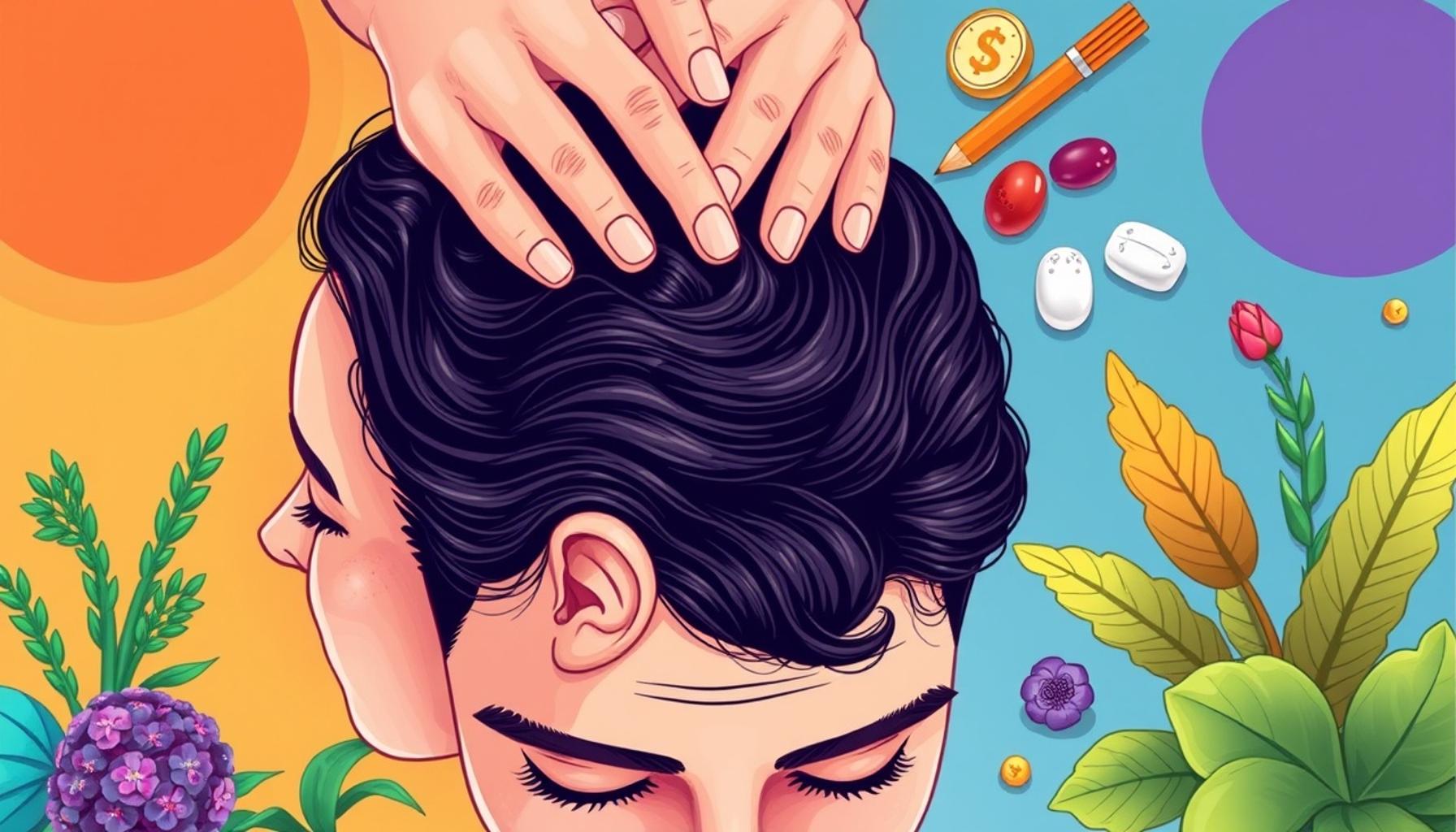
- Scalp Massage: A simple scalp massage boosts circulation, encouraging blood flow to hair follicles. Utilizing essential oils like rosemary or peppermint during the massage can further enhance benefits due to their stimulating properties.
Combining these strategies into a cohesive approach not only addresses the hair health impacts of stress but also promotes overall well-being. Together, they empower individuals to take control of their hair health while cultivating a more balanced and less stressful life.
Conclusion: Embracing Holistic Wellness for Hair Health
Understanding the profound impact of stress on hair health reveals a crucial intersection between mental well-being and physical appearance. By recognizing the correlation between elevated stress levels and hair loss or damage, individuals can take meaningful steps toward restoration and care. The strategies discussed, from stress management techniques like meditation and exercise to nutritional interventions, underscore the multifaceted nature of combatting stress-related hair issues.
Engaging in a comprehensive scalp care regimen and prioritizing a balanced diet packed with vital nutrients can create a favorable environment for hair growth. As we navigate the demands of modern life, integrating these practices can lead to not only healthier hair but also a more grounded and resilient self.
It is essential to remember that the journey toward optimal hair health is a continuous one—cultivating positive habits in self-care and stress management can have lasting benefits. As you explore these strategies, consider consulting hair care professionals who can provide personalized guidance tailored to your needs. Ultimately, embrace the notion that overall wellness plays a pivotal role in achieving vibrant, healthy hair, making it all the more worthwhile to invest in both body and mind. Empower yourself today to combat stress and nurture your hair—your well-being depends on it.

Beatriz
Beatriz Johnson is a seasoned skincare specialist and writer with a passion for simplifying the complexities of beauty science and skincare routines. With over a decade of experience in the aesthetics industry, she specializes in topics like ingredient efficacy, anti-aging strategies, and global beauty trends. Through her work, Beatriz empowers readers to make informed skincare choices and stay ahead in the ever-evolving world of beauty and wellness.