Minimalism in the Kitchen: Strategies to Organize and Simplify Your Kitchen Space Without Sacrificing Functionality

Understanding the Shift Towards Minimalism in Kitchen Design
As the kitchen increasingly becomes the central hub of modern homes, the concept of minimalism gains traction among homeowners and designers alike. The frenetic pace of contemporary life often leads to kitchens cluttered with extraneous items, which can create feelings of overwhelm and chaos. By adopting a minimalist philosophy, you can cultivate a kitchen that is not only aesthetically pleasing but also highly functional, transforming your culinary space into an oasis of organization and efficiency.
There are numerous benefits to simplifying your kitchen, which can positively impact both your daily routines and mental state. Consider the following:
- Enhanced functionality: A decluttered kitchen fosters easier navigation, enabling you to move swiftly between cooking, prepping, and serving. For example, a well-organized pantry can save you precious time during busy weeknights when you’re scrambling to prepare dinner.
- Improved aesthetics: The clean lines and open spaces inherent in a minimalist kitchen promote a sense of calm and clarity. Neutral palettes accented with a few carefully chosen decorative items can uplift the overall ambiance, making your kitchen a welcoming place for family gatherings or entertaining guests.
- Time-saving: With fewer items to clean and maintain, a minimalist kitchen encourages you to spend more time enjoying your culinary pursuits rather than scrubbing countertops and arranging utensils. A streamlined utensil drawer or a well-organized cutting board space can make meal prep feel less daunting.
It’s essential to recognize that minimalism does not equate to depriving yourself of essential tools or culinary experiences. Instead, it revolves around making thoughtful choices regarding what items come into your kitchen and assessing how they add value to your cooking journey. Prioritization is key—focus on acquiring versatile tools that serve multiple functions, such as a high-quality chef’s knife or a multi-cooker, which can significantly reduce the number of gadgets cluttering your cabinets.
To embark on your journey toward a more minimalistic kitchen, consider implementing the following strategies:
- Declutter efficiently: Start with a thorough assessment of your kitchen items. Donate or discard anything that you haven’t used in the past six months. This process helps you identify essentials versus non-essentials.
- Organize thoughtfully: Utilize drawer dividers, shelf risers, and small bins to categorize items. This not only keeps your space tidy but also makes finding what you need a breeze. For example, keeping all baking supplies in one drawer can streamline your dessert-making process.
- Embrace versatile tools and gadgets: Invest in items like a multi-purpose blender or an air fryer that can substitute several appliances, thereby conserving space and reducing clutter.
Are you ready to embark on a transformative journey to reshape your kitchen into a space that exemplifies both beauty and functionality? Delve into the principles of minimalism and uncover innovative ways to elevate your culinary haven while cultivating a sense of tranquility in one of the most vital areas of your home.

DISCOVER: Click here for more insights
Key Strategies for a Minimalist Kitchen Makeover
Transitioning to a minimalist kitchen is a process that begins with intention and thoughtful planning. Rather than making drastic changes all at once, consider implementing incremental strategies that can lead to a more organized environment. These strategies not only optimize your space but also enhance the overall functionality of your kitchen, allowing you to enjoy cooking and entertaining without the hassle of clutter.
1. Declutter with Purpose
The foundation of a minimalist kitchen lies in decluttering. Begin by systematically evaluating all kitchen items and asking yourself pivotal questions: “Have I used this in the last year?” or “Does this item serve a significant purpose?” The answer will guide you in deciding whether to keep, donate, or dispose of the item. To streamline this process:
- Categorize items: Separate utensils, cookware, and appliances to assess each group individually.
- Use the “one in, one out” rule: For every new item you purchase, consider letting go of an older item to maintain balance.
- Create a sentimental box: For items with emotional value, designate a small box—this limits space while preserving memories.
Once the decluttering process is complete, you might be surprised to find how much more functional your kitchen feels with fewer distractions.
2. Thoughtful Organization Techniques
Organizing your kitchen is crucial to maintaining minimalism. A well-organized space allows for easier access to cooking essentials and ultimately enhances your culinary experience. Here are some effective organization techniques to consider:
- Drawer dividers: Use dividers in drawers to keep utensils and tools separated and orderly, minimizing rummaging time when baking or prepping a meal.
- Clear containers: Store dry goods like pasta, grains, and spices in clear, labeled containers. This not only helps in identifying contents at a glance but also adds visual appeal.
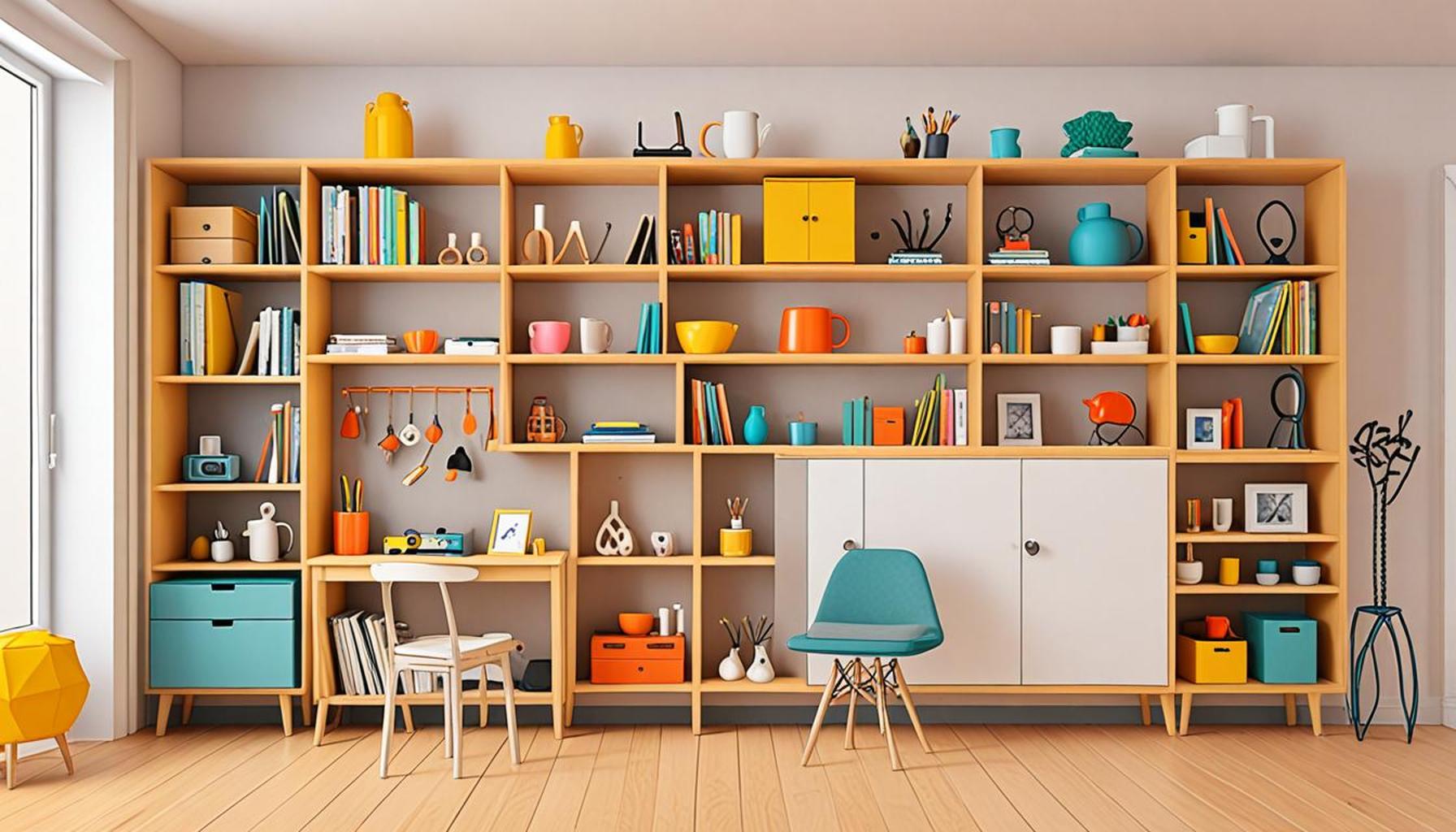
- Shelving solutions: Make use of vertical space by incorporating shelves or wall-mounted racks. This technique allows you to showcase beautiful dishware or cookbooks while keeping surfaces clutter-free.
3. Embrace Multi-Functional Items
Incorporating multi-functional kitchen tools is a pivotal strategy in minimalist design. Investing in versatile items prevents overcrowding and enhances the efficaciousness of your space. Consider the following examples:
- Instant Pot: A single appliance that performs multiple functions such as pressure cooking, slow cooking, sautéing, and even yogurt making—replacing several individual gadgets.
- Non-stick bakeware: Ideal for both baking and roasting, reducing the need for separate pans.
- Food processor: Capable of chopping, shredding, and blending, this tool can replace multiple individual appliances while saving counter space.
By adopting these strategies, your journey toward a minimalist kitchen can result in significant improvements in functionality and enjoyment. Each step taken towards organization and simplification leads to a culinary sanctuary that fosters both creativity and efficiency. Ready to discover more transformative ideas for your kitchen space?
Embracing Minimalism for an Efficient Kitchen
As more people look to streamline their daily routines, minimalism in the kitchen has emerged as an effective strategy to not only enhance aesthetic appeal but also improve functionality. By consciously selecting the items you keep and invest in, you can transform your cooking space into a haven of peace and efficiency.
One of the most effective strategies is to assess each item’s purpose. Ask yourself, does that gadget serve a clear function? If not, consider donating or selling it. This principle of evaluation allows you to create a space that caters to your culinary needs without the clutter that often distracts from your cooking experience. Furthermore, proper organization can also save time during meal preparation, making your kitchen more functional.
Utilizing vertical space is another key technique for maintaining a minimalist kitchen. Open shelving, magnetic strips for knives, and hanging racks for pots can free up valuable counter space, reducing overall clutter. Additionally, choosing multi-functional furniture and tools, such as a kitchen island that doubles as a dining area, can maximize the usability of limited space.
Lastly, incorporating a color-coordinated scheme can visually simplify your kitchen environment. Limiting color palettes not only enhances the overall look but also contributes to a sense of calm—a critical component when navigating food preparation in today’s fast-paced world. By taking a minimalist approach, you create a setting that fosters creativity without overwhelming sensory input.
| Organizational Strategies | Benefits of Minimalism |
|---|---|
| Decluttering Unused Items | Creates more physical and mental space, allowing for better focus while cooking. |
| Utilizing Vertical Storage | Maximizes storage efficiency, freeing up counter space for meal prep and cooking. |
| Multi-Functional Tools | Reduces clutter and increases usability, making the kitchen more user-friendly. |
| Color-Coordinated Schemes | Enhances visual appeal while contributing to a calming atmosphere. |
By implementing these minimalism strategies, not only can you simplify your kitchen environment, but you can also enhance functionality and enjoyment while cooking. As you explore this journey, you will likely discover that a minimalistic kitchen not only looks beautiful but also serves as an efficient workspace tailored to your lifestyle.
DIVE DEEPER: Click here to discover effective tools and apps
Maximizing Efficiency Through Design and Layout
To enhance the minimalist ethos in your kitchen, a critical aspect to consider is the design and layout of your space. A functional layout not only makes cooking and cleaning easier but also contributes to a serene environment that embodies minimalism. Here are some insightful strategies to maximize efficiency through intentional design:
1. The Work Triangle Concept
Enlisted in kitchen design for decades, the work triangle concept employs the three main work zones: the stove, the sink, and the refrigerator. Distancing these points allows for smooth movement and minimizes clutter. When possible, arrange your kitchen layout in a triangular formation to promote workflow. This means positioning your stove within arm’s reach of both the sink for washing and the fridge for ingredient access. According to the National Kitchen & Bath Association (NKBA), maintaining 4 to 9 feet between each of these key areas enhances cooking efficiency by cutting down on unnecessary back-and-forth movements.
2. Smart Storage Solutions
In the pursuit of a minimalist kitchen, your storage solutions play a significant role. Instead of standard cabinets that can easily become filled with neglected items, consider innovative storage options:
- Pull-out shelves: These allow you to access items at the back of the cabinet without having to dig through layers of cookware or ingredients.
- Hang items: Use hooks or pegboards to suspend pots, pans, and utensils. This creative storage frees up cabinet and drawer space while adding an artistic touch to your kitchen decor.
- Under-sink organizers: Utilize the often overlooked under-sink space with tiered racks or pull-out bins that can hold cleaning supplies or kitchen tools.
By refining your storage systems, you not only limit unnecessary item accumulation but also cultivate an organized look that aligns with minimalism.
3. Choose a Neutral Color Palette
The aesthetic of your kitchen can significantly impact the feeling of space. Adopting a neutral color palette not only creates a calm and inviting environment but also enhances the perception of cleanliness and organization. Opt for whites, grays, or soft earth tones to unify your space and allow essential kitchen elements—like your beautiful dishware and chic utensils—to stand out. Furthermore, a monochromatic scheme can help create visual continuity, which is a key principle in minimalist design.
4. Reduce Countertop Clutter
A cluttered countertop can diminish the beauty of a minimalist kitchen. Aim to keep countertops as clear as possible by implementing a few effective strategies:
- Limited countertop appliances: Keep only daily-use gadgets like a coffee maker or toaster on the counter. Store the rest in cabinets to minimize visual clutter.
- Designate a space for everyday essentials: Create a specific area for items that you regularly use. This not only organizes key tools but also simplifies your cooking process.
- Add trays or containers: Use designated trays or attractive containers to group related items together. This keeps your surfaces tidy while offering a cohesive look.
By applying these strategies, you can form a delicate balance between aesthetics and functionality in your kitchen. This harmony is essential for embracing the minimalist lifestyle in a way that elevates both your cooking experience and the overall atmosphere of your home.
DISCOVER MORE: Click here to learn how multifunctional furniture can elevate your space
Conclusion: Embrace Minimalism for a Functional Kitchen
In today’s fast-paced world, the kitchen often serves as the heart of the home—a space where culinary creativity meets daily routines. By adopting minimalism in the kitchen, you can create a streamlined environment that enhances functionality without sacrificing style. The strategies we’ve explored, from implementing the work triangle to utilizing smart storage solutions, focus on maximizing efficiency while minimizing visual clutter.
Choosing a neutral color palette adds to the serenity of the space, allowing a sense of calm to wash over you as you cook. Meanwhile, by actively reducing countertop clutter, you pave the way for a more enjoyable and stress-free cooking experience. It’s essential to remember that minimalism does not equate to sacrificing essentials; instead, it requires a discerning approach to what truly matters, promoting both practicality and aesthetic pleasure.
As you embark on your journey towards a minimalist kitchen, consider it an ongoing process of reflection and refinement. Regularly assess your space, making adjustments as necessary to align with your evolving lifestyle. By embracing these principles, you’ll not only cultivate an organized kitchen but also foster a sense of mindfulness and purpose in your culinary endeavors.
Ultimately, a minimalist kitchen isn’t just about the design; it’s a lifestyle choice that encourages you to focus on what matters most. With these strategies at your fingertips, your kitchen can become a harmonious blend of function and beauty, inviting you to explore new culinary adventures.