Personal Organization and Intentional Living: Creating Spaces that Reflect Our Values
Understanding the Importance of Personal Organization
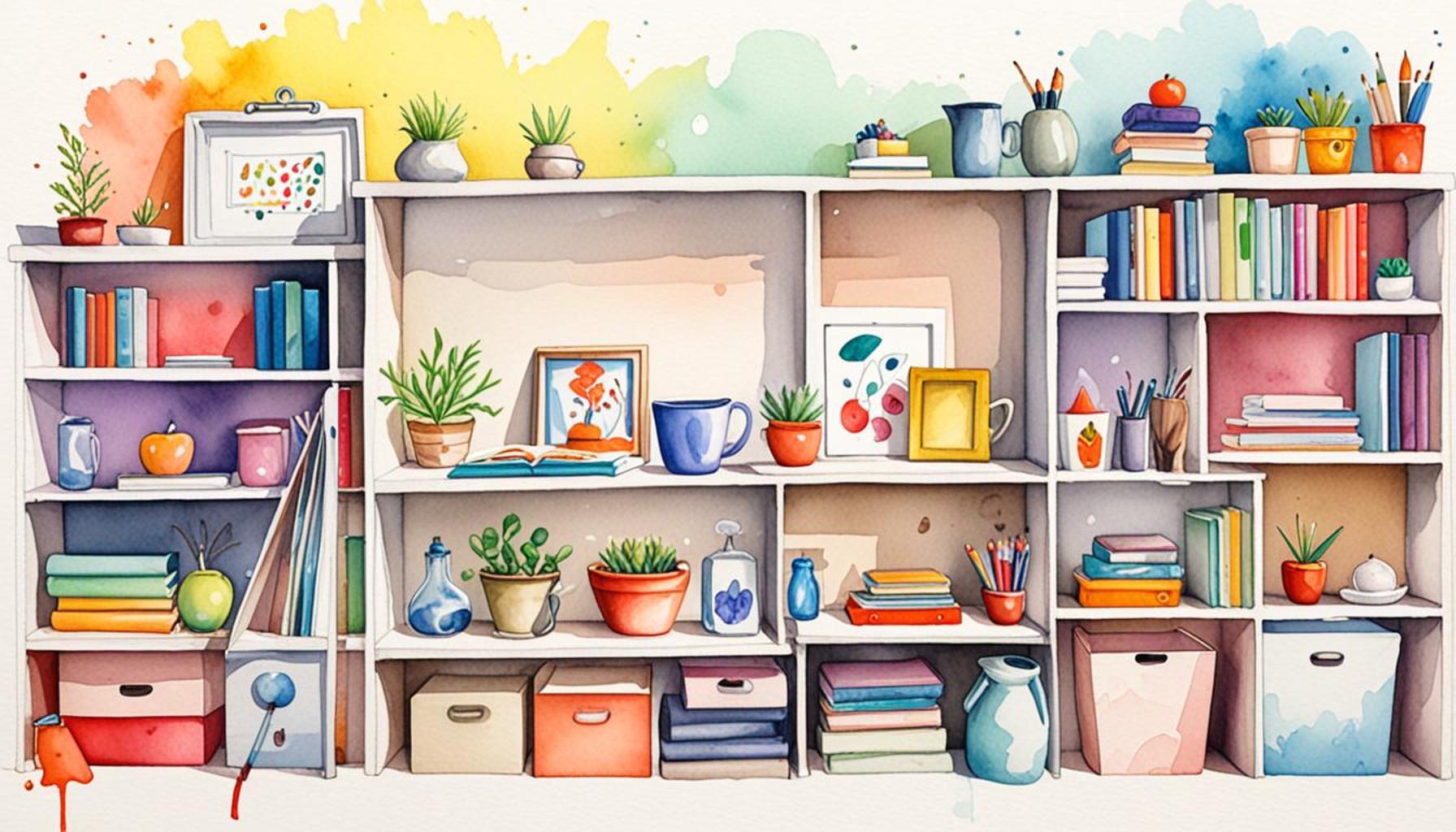
In today’s fast-paced world, the quest for clarity in our physical environments often serves as a powerful mirror for our inner priorities. The idea of personal organization and intentional living has emerged as crucial for individuals striving for balance and fulfillment amidst daily chaos. By systematically arranging our surroundings, we create spaces that not only house our belongings but also resonate deeply with our core values and aspirations.
The Impact of Physical Clutter
Why is this emphasis on organization and intentionality so important? Consider that physical clutter can lead to a state of mental chaos, adversely affecting productivity and overall well-being. When surrounded by disarray, focusing on tasks becomes a challenge, and feelings of stress can escalate. An insightful study from proved that individuals working in cluttered spaces reported a 30% drop in efficiency compared to those in tidy environments. This underscores how vital it is to maintain organized surroundings that can enhance our cognitive functionality.
Mindfulness Through Intentional Spaces
Intentional spaces act as sanctuaries for mindfulness, encouraging us to live with a sense of purpose. They invite moments of reflection, allowing us to align our immediate environment with our long-term goals. For instance, a workspace filled with greenery and inspirational quotes not only improves air quality but can also uplift our spirits, fostering creativity and motivation.
Tailoring Personal Organization Systems
Moreover, personal organization systems can be customized to meet individual needs, which enhances both efficiency and satisfaction. Whether you’re a busy parent juggling family schedules or a student balancing coursework, developing an organization strategy tailored to your lifestyle can drastically improve your daily routine. Utilizing tools like planners, digital apps, or labeled storage bins can transform overwhelming tasks into manageable ones.
The Power of Thoughtfully Designed Spaces
Picture stepping into a room that not only accommodates your possessions but also inspires creativity and tranquility. Thoughtfully designed spaces can:

- Reflect your personal values, such as sustainability, creativity, or warmth. For example, incorporating eco-friendly furnishings can showcase a commitment to environmental responsibility.
- Encourage positive habits, making it easier to stay focused on your goals. A designated reading nook with comfortable seating and lighting can cultivate a habit of daily reading.
- Promote a sense of belonging, whether at home or in shared environments. Creating a welcoming space for family or friends can enhance social connections and feelings of community.
The Journey Toward Intentional Living
As we embark on the journey of creating spaces that reflect our values, we will uncover a wealth of practical strategies, tips, and insights that can reshape our homes and lives. From decluttering techniques to innovative storage solutions, the exploration of intentional living can lead to a more harmonious existence—one that authentically embodies who we are.
By understanding the relationship between our physical environments and our inner selves, we can take meaningful steps toward greater clarity, purpose, and fulfillment. Join us as we delve deeper into the art of personal organization, discovering how small changes in our spaces can lead to significant improvements in our lives.
LEARN MORE: Click here to discover how your environment affects your time management
Establishing the Foundation of Personal Organization
At the heart of creating spaces that resonate with our values lies the essential practice of personal organization. This is not simply about tidying up or creating order—it’s a profound practice that invites us to evaluate our priorities and aspirations. As we seek clarity in our environments, we are ultimately engaging in a transformative process that aligns our physical spaces with our inner lives.
The Link Between Space and Well-Being
Our surroundings play a critical role in shaping our emotions and behaviors. Studies indicate that individuals who engage in intentional living within organized spaces report lower stress levels and higher overall satisfaction. A recent survey revealed that 75% of respondents felt that a decluttered environment contributed significantly to their psychological well-being. When chaos in one’s surroundings is minimized, it opens the door for enhanced focus, creativity, and a sense of control over one’s life.
Steps to Cultivate an Organized Mindset
Developing an organized mindset is the first step toward transforming your space into a haven of intentionality. Here are several strategies that can be effective in this journey:
- Set Clear Goals: Establish what you want to achieve with your space. This could range from enhancing productivity in your home office to fostering relaxation in your living area.
- Declutter Wisely: Start with a specific area and evaluate each item’s value to your lifestyle. If it doesn’t serve a purpose or evoke joy, consider letting it go.
- Implement Creative Storage Solutions: Utilize aesthetically pleasing storage options such as decorative baskets or multi-functional furniture. This not only helps in organizing but also adds to the visual appeal of your space.
- Create Zones: Designate specific areas for various activities—work, relaxation, hobbies—to create a clear structure that aligns with your daily routines.
Incorporating Personal Values into Design
As we delve deeper into the process of personal organization, it becomes vital to consider the incorporation of our individual values into the design of our spaces. This step fosters a unique environment that inspires us. Imagine a workspace adorned with artwork or reminders that reflect your dream career or a meditation corner embellished with items that symbolize tranquility and mindfulness. By showcasing our values, our spaces become extensions of ourselves, establishing a stronger sense of identity and purpose.
In embracing personal organization, we initiate a valuable dialogue between our physical environment and our inner lives. As we take the time to thoughtfully curate our surroundings, we not only streamline our several tasks but also lay the groundwork for a more meaningful existence. This journey, marked by deliberate choices and intentional designs, allows us to experience life in a way that genuinely resonates with who we are and what we cherish the most.
| Advantages | Key Features |
|---|---|
| Enhanced Clarity | Having organized spaces leads to clearer thinking and improved focus. |
| Stress Reduction | Intentional living reduces overwhelm by simplifying surroundings and promoting tranquility. |
| Value Alignment | Creating spaces that reflect personal values enhances the sense of belonging and purpose. |
| Motivation Boost | An organized environment can foster productivity and inspiration, igniting motivation to pursue goals. |
Embracing the theme of “Personal Organization and Intentional Living” not only allows individuals to reshape their living spaces but also cultivates an environment that echoes their core values. This approach invites people to engage in activities that genuinely resonate with who they are, leading to a more fulfilling lifestyle that is both meaningful and joyous. An intentional living atmosphere encourages reflection and deeper connections, unlocking the potential for personal growth in every area of life. By advocating for such mindful space creation, individuals can sustain a lifestyle that radiates purpose, ultimately creating a ripple effect of positivity and clarity across all facets of daily living.
DIVE DEEPER: Click here to learn more
Embracing Mindful Minimalism
The journey towards personal organization and intentional living also invites us to explore the concept of mindful minimalism. This philosophy champions the idea of living with less to create space for more—more joy, more purpose, and more connection. By consciously choosing to simplify our possessions and commitments, we not only declutter our physical environment but also free up emotional bandwidth. Acknowledging that our belongings should support our lifestyle rather than hinder it can lead individuals to make transformations that have a lasting impact on their overall well-being.
Understanding the Power of Mindful Choices
To cultivate an environment anchored in our values, it’s essential to understand the power of mindful choices. Every item we bring into our homes should embody our values and aspirations. Engaging in a reflective decision-making process when acquiring new items can help steer us away from impulse buying driven by societal pressures. For example, when shopping, ask yourself if the item will enrich your life or simply add unnecessary clutter. Brands committed to sustainability, such as Parachute, offer products that not only enhance the aesthetic value of a space but are also crafted with care for the environment, allowing us to support ethical consumerism while honoring our values.
Transforming Spaces to Nurture Growth
Transforming our spaces also means creating environments that nurture growth, reflection, and creativity. Implementing elements such as biophilic design, which incorporates natural elements into our interiors, can enhance our mental and emotional health. Studies have shown that incorporating plants and natural light can improve mood, increase productivity, and lower stress levels. Simple additions like indoor plants, natural sculptures, or even nature-inspired artwork can infuse a sense of vitality and serenity into any space.
- Embrace Natural Light: Position your workspace to take advantage of natural light, which can enhance concentration and promote a positive mood.
- Incorporate Greenery: Select low-maintenance plants such as pothos or snake plants that not only beautify but also purify the air.
- Use Earthy Tones: Opt for a color palette that mimics nature, such as greens, browns, and blues, to create a calming atmosphere.
Celebrate Your Journey through Personal Touches
Your space should also be a canvas that tells your unique story—a celebration of your journey and the things that matter most. Integrate personal touches that reflect who you are, such as framed photographs, travel souvenirs, or handmade crafts. Each item encapsulates memories and experiences that connect you to your values and aspirations. Rather than cluttering your space, these curated artifacts serve as reminders of your growth and the milestones that define you.
Furthermore, allowing yourself to continuously evolve your space is crucial. As your values may shift over time, being open to reassessing and modifying your environment ensures that it remains aligned with your current self. Engaging in this reflective practice not only maintains relevance in your surroundings but also fosters a deeper sense of fulfillment in your journey of intentional living.
DISCOVER MORE: Click here to dive deeper
Conclusion: The Essence of Intentional Living
In a world increasingly defined by distractions and excess, the journey towards personal organization and intentional living offers a refreshing reprieve. The process of creating spaces that truly reflect our values and aspirations requires us to engage in mindful minimalism and make conscious decisions that simplify our surroundings while enriching our lives. By embracing the philosophy of having less but cherishing more, we foster environments that are conducive to growth, creativity, and well-being.
The transformative power of mindful choices serves as a reminder that each item we introduce into our lives should evoke significance. It shifts our focus from mere accumulation to purposeful curation, ultimately crafting spaces that inspire both action and reflection. Integrating elements of nature through biophilic design, along with personal artifacts that hold memories, transforms our living environments into sanctuaries of comfort and creativity—places that root us in our values.
As we move forward in this path of intentional living, it’s essential to remain open to change. Our needs and values will evolve, and our spaces should adapt in harmony. By continually assessing and refining our environments, we ensure they resonate with our authentic selves. Ultimately, the endeavor for personal organization and intentional living is not just about creating tidy spaces; it is about designing a life that passionately aligns with our deepest values and aspirations, leading to a more fulfilled and meaningful existence.