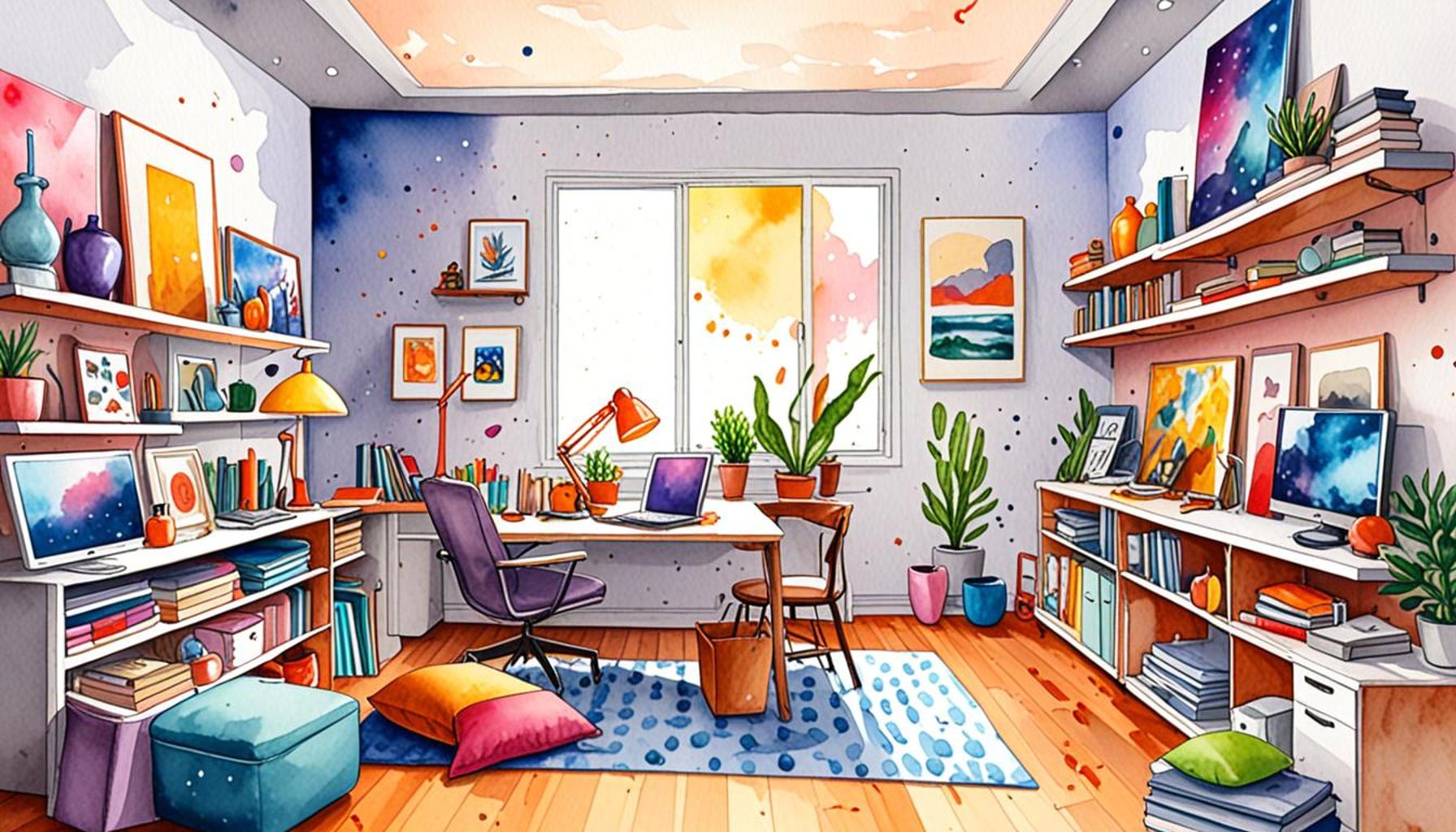
Practical Strategies for Implementing Clutter Reduction in Different Areas of the Home
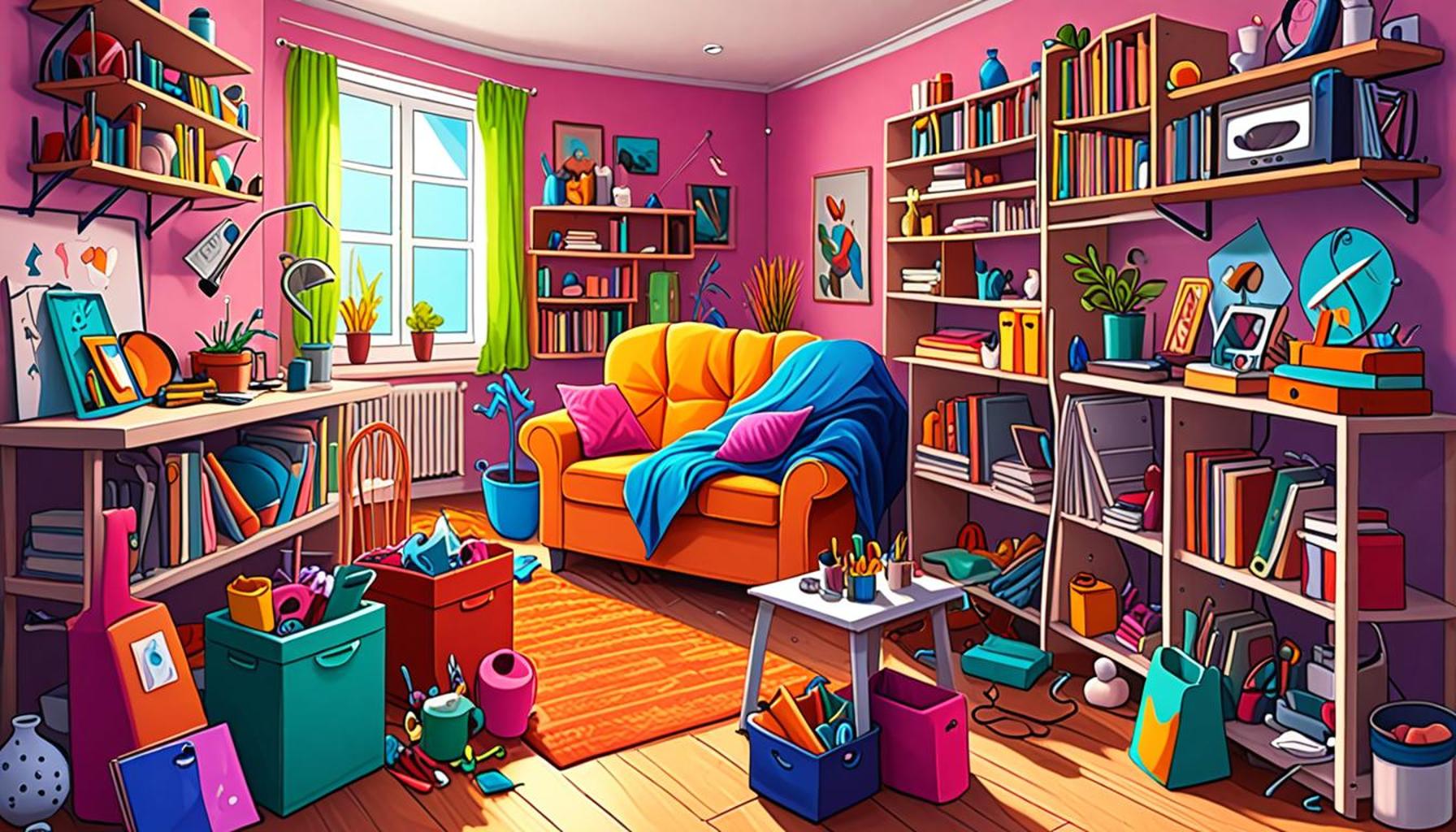
Transform Your Space with Clutter Reduction
In today’s fast-paced world, excess clutter can easily overtake our homes, affecting both our productivity and peace of mind. Implementing effective clutter reduction strategies is essential for creating an organized and serene environment. With modern society’s continuous demands, finding ways to simplify our surroundings can greatly enhance our quality of life. This article explores practical methods tailored to various areas of your home, helping you reclaim your space.
Consider these important areas for decluttering:
- Living Room: The living room is often the heart of the home and a space where family and friends gather. Start by streamlining decor—choose a few meaningful art pieces or family photos to display while removing excess items that contribute to visual chaos. Additionally, consider organizing electronics by utilizing cable management solutions or consolidating devices into a single media console, offering both functionality and style.
- Kitchen: The kitchen is a high-traffic area that can quickly become cluttered. Organizing pantry items by grouping similar products together and using clear, labeled bins can save time during cooking. Don’t forget to clear countertops by keeping only essentials, such as a coffee maker or a fruit bowl, which not only looks tidy but also makes food preparation easier.
- Bedroom: Your bedroom should be a sanctuary for relaxation. An efficient way to simplify wardrobes is to use the “one-in, one-out” rule: for every new item purchased, remove one outdated or unworn piece. This practice promotes a more intentional wardrobe. Furthermore, consider eliminating unnecessary items like old magazines or unused gadgets that take up space and create distractions during your downtime.
- Home Office: As remote work becomes increasingly common, the home office can quickly accumulate clutter. Remove old paperwork by sorting necessary documents into filing systems while digitally scanning others to go paperless. Delete or organize digital clutter on your computer by regularly emptying downloads and organizing files into relevant folders, which can vastly improve your efficiency when working.
Clutter can not only be visually unappealing but can also lead to increased stress. The journey towards a decluttered home can be both rewarding and rejuvenating. As you explore the strategies within this article, you’ll discover that small, consistent changes can lead to a significant transformation.
Key benefits of clutter reduction include:
- Improved focus and productivity: An organized space fosters a clearer mindset, allowing for better concentration.
- Enhanced relaxation and comfort: A decluttered environment creates a soothing atmosphere that invites rest and rejuvenation.
- More functional living spaces: Each area of your home can serve its intended purpose more effectively, whether it’s cooking, working, or unwinding.
Join us as we delve into practical tips and techniques that cater to your unique living environment. Each strategy is designed to empower you to take control of your surroundings and foster a more organized lifestyle. The journey of decluttering may seem daunting, but with determination and structured approaches, you can uncover the potential of your space and experience a more peaceful home. Discover how a few intentional steps can transform your living areas into havens of order and tranquility.
DISCOVER MORE: Click here to dive deeper
Effective Decluttering Techniques for Every Room
When it comes to decluttering your home, it’s essential to have a systematic approach that caters to each unique space. Each room presents its own challenges and opportunities for creating a more organized and peaceful environment. By applying targeted strategies, you can tackle clutter efficiently and transform your living spaces into areas of calm and functionality.
Living Room: The Heart of the Home
The living room is where families gather and memories are made. To initiate clutter reduction in this central hub, prioritize multifunctional furniture such as ottomans with storage or coffee tables with drawers. These versatile pieces can conceal items like blankets or children’s toys, reducing the visual clutter. Additionally, consider employing a “decor rotation” strategy where you change out decorative items seasonally rather than displaying everything at once. This approach prevents overcrowding and refreshes the ambiance regularly, keeping your living space engaging.
Kitchen: A Culinary Command Center
The kitchen can quickly turn chaotic with gadgets and utensils scattered across countertops. Begin by conducting a rigorous inventory of your kitchen items. Discard any tools that you haven’t used in the past year; this is especially true for single-purpose gadgets. Simplifying your utensil drawers with dividers can also make finding items quicker and easier. Finally, embrace vertical storage solutions, such as wall-mounted shelves or pegboards for pots and pans, freeing up valuable counter space and adding an artistic flair.
Bedroom: Your Personal Sanctuary
Creating a “restful retreat” in your bedroom starts with decluttering surfaces. Designate a space for items like books or nighttime essentials instead of letting them accumulate on nightstands. Invest in under-bed storage containers to keep off-season clothing, shoes, and linens hidden yet accessible. Additionally, consider the “30-day minimalism game,” where you eliminate one item on the first day, two items on the second day, and so on. This gamified approach motivates you to identify and remove unnecessary items regularly, making the decluttering process feel rewarding rather than overwhelming.
Home Office: The Focus Zone
As many individuals turn their homes into offices, keeping this space organized is vital for maintaining productivity. Begin by establishing a clean desk policy— at the end of your workday, clear off all unnecessary papers and items from your desk. Use stylish, labeled file organizers to keep important documents handy but out of sight. Don’t overlook digital clutter, which can be just as distracting. Schedule regular intervals to organize files on your computer, archiving old projects and deleting files you no longer need.
Implementing these clutter reduction strategies can foster a more organized home, directly influencing your overall well-being. With each small change, you’ll find you can reclaim not only your space but also your peace of mind. Stay tuned as we explore more areas of the home and additional specific tactics for achieving an attractive and serene living environment.
Practical Strategies for Implementing Clutter Reduction in Different Areas of the Home
Implementing clutter reduction strategies in your home can drastically improve both functionality and aesthetics. Each area of the home has unique needs and approaches that can be tailored to maximize space and minimize unnecessary items. Understanding these specifics can lead to a more organized living environment.
Living Room
In the living room, start by evaluating what is essential for everyday use versus decorative items. A good strategy is to create designated zones: one for relaxing, one for entertainment, and another for reading. Consider utilizing multifunctional furniture, such as ottomans with storage, to keep items out of sight while enhancing the room’s use.
Kitchen
Kitchen clutter often arises from excess utensils and appliances. Assess your kitchenware, and aim for a minimalist approach. Implement open shelving to showcase frequently used items while storing away the rest. Regularly revisiting the kitchen inventory monthly can prevent the buildup of unneeded tools and gadgets.
Bedroom
The bedroom is another area where clutter can lead to stress. Embracing a clean & serene environment can greatly enhance sleep quality. Consider adopting a Capsule Wardrobe, which consists of selecting versatile pieces that can be mixed and matched. Storage solutions such as under-bed bins can provide an excellent way to keep seasonal clothing or shoes out of sight.
Bathroom
Bathrooms easily accumulate items that may no longer be used. Implement a “one in, one out” policy for personal care products, ensuring you keep only what is necessary. Utilize baskets and drawer organizers to maximize space, and commit to a bi-monthly decluttering schedule to take stock of what is truly needed.
Garage and Storage Areas
Finally, the garage often becomes a catch-all space. Implementing clear zones for different categories, such as gardening tools and sports equipment, will help maintain order. Label bins to clearly define contents, and consider vertical storage systems to better utilize space.
By understanding specific strategies tailored to various areas of the home, you can create a more organized and inviting atmosphere. Moreover, these practical approaches not only relieve stress but also instill a sense of accomplishment and control over your living spaces.
| Area of Focus | Effective Strategies |
|---|---|
| Living Room | Designate zones for specific purposes & use multifunctional furniture. |
| Kitchen | Implement open shelving & regular inventory checks to minimize clutter. |
| Bedroom | Adopt a Capsule Wardrobe & utilize under-bed storage solutions. |
| Bathroom | Use a “one in, one out” policy & implement drawer organizers. |
| Garage | Create zones & label bins to keep organized. |
DISCOVER MORE: Click here to dive deeper
Transformative Tips for Effective Clutter Management
Clutter reduction is not merely about discarding items; it’s about creating an intentional space that reflects your lifestyle and enhances functionality. Different areas of your home require tailored approaches that take into account the typical uses and challenges faced in each space. Let’s explore practical strategies that can further streamline your home organization journey.
Bathroom: A Tranquil Oasis
The bathroom can quickly become a storage graveyard filled with half-used products and expired medications. Start your decluttering by conducting a stringent product audit. Take a look at each item in your cabinets and remove anything that is expired or that you haven’t used in the last six months. To maximize space, invest in containers or tiered organizers for your countertop essentials to create a tidy and accessible display.
Consider a zoneless approach by grouping items by category rather than by person; for instance, keep all skincare products together, regardless of who they belong to. This encourages shared responsibility and reduces the clutter of countless individual items. Additionally, utilize wall space with floating shelves to hold towels or decor, keeping the floors clear and ensuring a visually appealing environment.
Garage: The Multi-Purpose Space
The garage often serves as a catch-all for items that don’t have a specific home. To tackle this challenge, categorize items into groups such as sports equipment, gardening supplies, and seasonal decorations. Once categorized, use clear bins or shelving units to store these grouped items, making sure to label everything clearly. This organization not only simplifies finding what you need but also helps maintain order over time.
Consider incorporating a vertical organization system for tools using pegboards or wall-mounted racks. This approach not only maximizes floor space but also makes tools easily accessible. Finally, set a regular patrol schedule—perhaps every three months—to reassess and remove items that no longer serve your purposes, keeping the clutter at bay.
Entryway: The First Impression Zone
Your entryway sets the tone for your home, yet it’s often overlooked in clutter strategies. Start by establishing a dedicated landing zone for shoes, bags, and coats. Use hooks for jackets and a bench with hidden storage for shoes, creating an organized and welcoming environment. A small basket can be used for miscellaneous items like mail or keys, which keeps the space tidy and functional.
Implement a “one in, one out” rule—where every new item brought into the entryway requires the removal of another. This simple practice can make a significant improvement in how your space feels and functions. To further enhance the aesthetic, consider adding a small plant or artwork that reflects your personal style, making the area inviting.
Kids’ Play Room: Balancing Fun and Order
Creating a decluttered play space for children can be challenging, yet it is achievable with the right strategies. First, categorize toys into bins and clearly label each container, helping kids learn the importance of putting things away. Introduce a toy rotation system—keeping only a few toys accessible at a time and storing others. This keeps your playroom looking neat and keeps children engaged, arousing their interest in toys they haven’t played with in a while.
Encourage children to participate in a decluttering session before every major holiday or birthday, which allows them to let go of toys that they have outgrown. By making decluttering a family activity, you foster values of organization and mindfulness in children from a young age, creating habits that will carry through their lives.
By employing these clutter reduction strategies tailored to different areas of your home, you can significantly enhance your living spaces. This results in a more organized, functional environment that not only brings a sense of order but also nurtures tranquility and personal well-being. Stay tuned for more in-depth techniques that cater to every nook and cranny of your home.
DIVE DEEPER: Click here to discover the impact of lighting
Conclusion: Crafting Clutter-Free Living Spaces
Implementing clutter reduction strategies throughout your home isn’t just a task; it’s a journey towards cultivating a peaceful and functional environment. By addressing each area with tailored approaches, such as those explored earlier—from the calming oasis of the bathroom to the multi-functional garage—you gain control over your living spaces. This proactive mindset transforms clutter into organization, making daily life more efficient and enjoyable.
As you incorporate practices like the toy rotation system in your kids’ playroom or establish a dedicated landing zone in your entryway, remember that maintaining a clutter-free home is an ongoing process. Regular decluttering sessions can be crucial, helping you reassess not only what you have but also why you keep it. Consider adopting the philosophies of minimalism, where value lies in quality and intention, to further enhance your journey towards simplicity.
Lastly, the most important takeaway is to foster a mindset of mindfulness and responsibility, not just for yourself but for everyone in your household. Engaging your family in these strategies ensures that you all contribute to the overall harmony of your home. As you embrace these clutter reduction techniques, you create a personalized sanctuary—one that reflects your unique lifestyle and supports your well-being. Moving forward, consider every minimalist choice as a step towards creating spaces that truly resonate with peace and functionality.