The Culture of Inclusive Beauty: How Cosmetic Products Are Adapting to Different Skin Types
The Transformation in the Beauty Industry
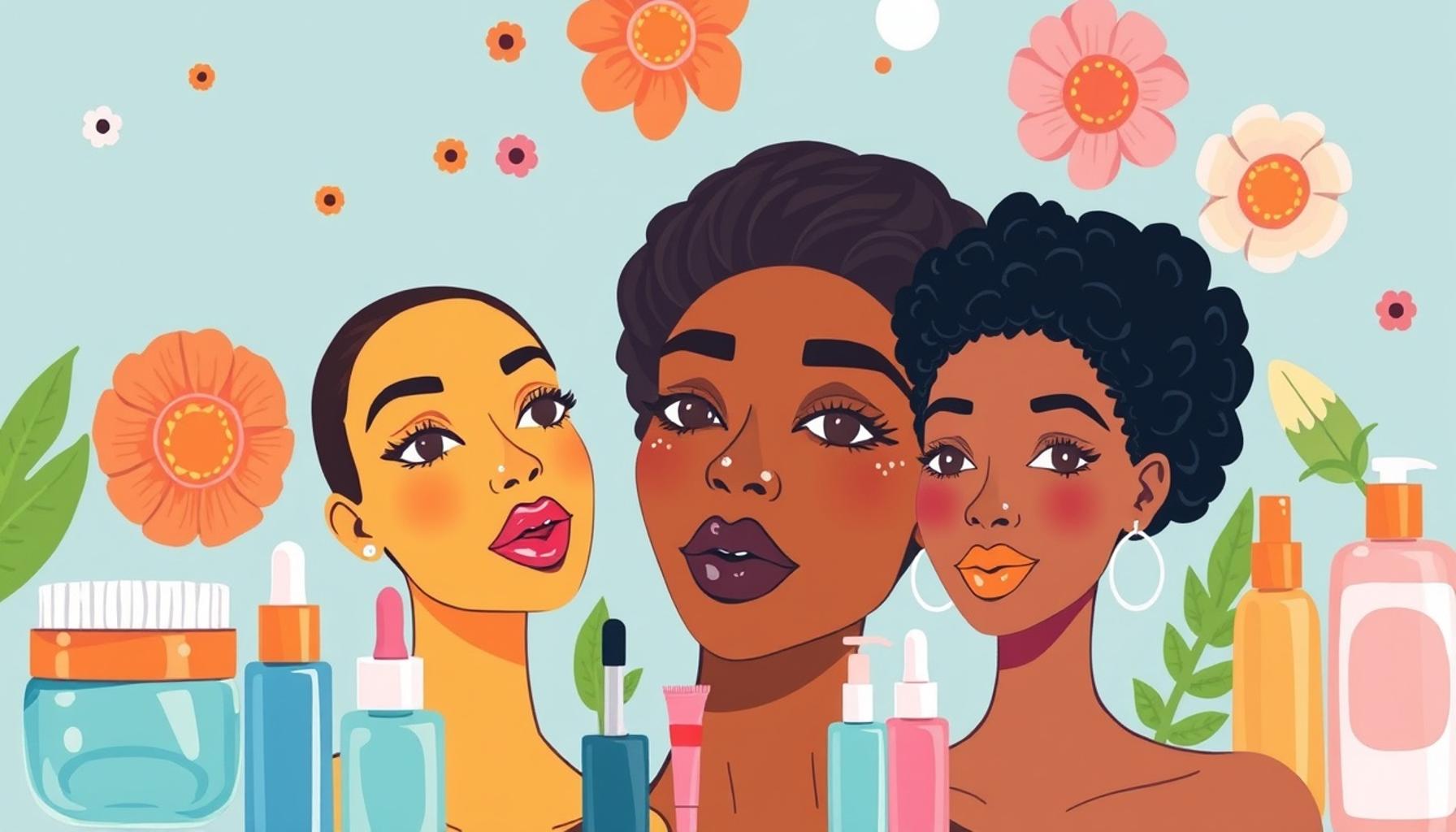
The landscape of the beauty industry is undergoing a pivotal transformation. As consumers become more aware of their unique needs, cosmetic products are evolving to cater to an expansive array of skin types and tones. This cultural shift is not merely a trend; it reflects a profound understanding of beauty in its many forms. The beauty industry, once dominated by a narrow definition of beauty, is now embracing an ethos that celebrates individuality and diversity, which is resonating with a broader audience than ever before.
Key Factors Behind This Movement
- Consumer Demand: Today’s consumers actively seek products that resonate with their individual identities. This demand is not just about variety; it’s about authenticity. Customers want to see themselves represented in the products they use and the advertisements they encounter. For example, the rise of social media has allowed diverse voices to share their beauty experiences, prompting brands to respond to these calls for representation.
- Inclusivity: Brands are now recognizing the importance of representation in marketing and product development. Companies like Fenty Beauty have led the way by offering an extensive range of foundation shades to suit all skin tones, which has set a new standard for inclusivity. Consumers are more likely to support brands that reflect their values and lifestyles, making inclusivity not just a moral choice but a smart business strategy.
- Technological Advances: Innovations in formulations allow for better adaptation to diverse skin needs. Research and development have introduced products that take into account factors such as climate, ethnic backgrounds, and even hormonal changes affecting skin health. Brands are utilizing AI and data analytics to understand consumer needs better and to create products that perform effectively across a spectrum of skin types.
As a result, the beauty aisle is witnessing a surge in offerings that promise to address specific skin concerns. Customer-centric products include:
- Moisturizers tailored for dry skin types, often infused with nourishing ingredients like hyaluronic acid and ceramides.
- Foundations designed for a wide range of skin tones, with formulations that also address specific undertone needs, such as cool, warm, and neutral.
- Skincare solutions that cater to acne-prone or sensitive skin, utilizing gentle yet effective ingredients such as salicylic acid and soothing botanical extracts.
This cultural evolution in the beauty industry paves the way for consumers to embrace their natural diversity. As the market continues to adapt, we are likely to see emerging trends focus on sustainable and ethical practices that further enhance consumer loyalty. As we delve deeper into this engaging topic, we’ll explore how these changes are reshaping perceptions and expectations surrounding beauty in America, highlighting the importance of inclusivity and representation in an increasingly diverse market.
Emerging Trends in Inclusive Beauty
The movement towards inclusive beauty is fostering a new era where the idea of aesthetic appeal is closely linked to identity, ethnicity, and individual characteristics. This shift is becoming increasingly evident not only through marketing strategies but also in the formulation of cosmetic products. Brands are pivoting towards comprehensive offerings that celebrate variation instead of conforming to a singular standard of beauty. As such, the emphasis on inclusivity is reshaping consumer expectations and the types of products that flood the beauty market.
Product Innovations Driving Diversity
Among the most significant advancements in this culture of inclusive beauty are the innovative product lines specifically designed to meet the diverse needs of skin types. Cosmetic giants and niche brands alike recognize that historically, beauty standards have excluded many, and they are racing to fill this gap with tailored solutions. Key innovations focus on:
- Personalized Formulations: Brands are exploiting the power of technology and consumer insights to create formulations that cater to various demographics. Products such as customized skincare regimens—where consumers can receive recommendations based on skin type, age, and even regional climate—are on the rise.
- Expanded Shade Ranges: A visible testament to inclusivity is the introduction of expanded shade ranges. For instance, brands like Bobbi Brown are now providing foundations in over 40 different shades, ensuring that even undertones—from porcelain to deep ebony—are well-represented.
- Ethically Sourced Ingredients: Consumers are also looking for products that align with their ethical beliefs. As a result, brands are increasingly using sustainably sourced ingredients that cater to sensitive skin, such as organic extracts and eco-friendly preservatives, which help address the diverse needs of consumers.
Moreover, brands are proactively engaging with their communities by seeking feedback to improve their products continuously. For example, many companies have harnessed social media platforms to host conversations about inclusivity and encourage customers to share their experiences with specific products. This two-way communication fosters a sense of belonging among consumers and helps companies refine their offerings based on real user needs.
The Role of Education in Inclusive Beauty
Education plays a foundational role in supporting the culture of inclusive beauty. Many brands are taking the initiative to educate both consumers and retail staff about skin types and the importance of using products formulated specifically for these types. This not only empowers individuals to make informed purchasing decisions but also contributes to a broader understanding of skincare. Workshops, informational videos, and interactive online content are becoming vital tools in this educational endeavor.
As we navigate further into the landscape of the beauty industry, it is imperative to recognize that inclusive beauty is not merely about diversifying product lines but about fostering an environment where every individual feels valued and represented. The ongoing commitment from brands to expand their offerings while also prioritizing education paves the way for a more inclusive future in beauty, where every shade and skin type finds its rightful place.
The Evolution Towards Inclusivity in Beauty Products
Adapting to the diverse beauty landscape requires more than just a broad shade range. The culture of inclusive beauty revolves around an understanding of unique skin types, tones, and textures. Major brands are now prioritizing research and development aimed at formulating products that cater specifically to varying skin needs. For instance, those with sensitive skin types are seeing brands incorporate hypoallergenic and gentle ingredients that minimize irritation. Furthermore, there’s a notable shift towards natural ingredients, as consumers become increasingly aware of the benefits of organic formulations.
Innovative Technologies and Customization
Technology plays a crucial role in the inclusivity wave of cosmetic products. Brands are leveraging advanced skincare technologies, such as AI-driven diagnostics, to help consumers choose products that are truly suited to their skin. Virtual consultations, supported by apps, allow users to receive personalized recommendations based on their unique skin conditions. This focus on customization not only enhances consumer satisfaction but also encourages loyalty as individuals can find products that genuinely work for them.
Social Responsibility and Brand Accountability
A key aspect of this movement towards inclusive beauty is accountability. Companies are now expected to embrace social responsibility, ensuring that their products are sustainable and ethically sourced. This advocacy for transparency is inspiring a trend where consumers are actively engaging with brands that resonate with their values, particularly in terms of inclusivity and ethical practices. In this changing landscape, consumers are more informed and are holding brands accountable for their claims.
The Role of Influencers and Community Input
Influencers play a significant role in shaping beauty standards and embracing diversity. Social media platforms are filled with beauty enthusiasts who openly share their experiences with different products geared towards various skin types. This democratization of beauty allows a broader audience to engage and provides valuable insights into what works for different individuals. Brands, in turn, are utilizing this feedback to refine their product lines, making strides toward true inclusivity.
Market Growth and Future Trends
The demand for inclusive beauty products continues to grow, reflecting societal shifts towards embracing diversity. According to recent market research, the inclusive beauty market is projected to grow significantly in the upcoming years. This surge is not merely a trend; it represents a fundamental change in the way beauty is perceived and practiced. As brands continue to innovate, consumers can expect to see a more extensive array of options that cater to the myriad of skin types, ensuring that everyone can find products that enhance their unique beauty.
| Category | Benefits |
|---|---|
| Inclusive Shade Ranges | Offers diverse skin tones a range of options for a perfect match. |
| Tailored Formulations | Addresses specific skin concerns like sensitivity or hydration。 |
| Sustainable Practices | Increases consumer trust in brands committed to ethical sourcing. |
| Consumer Engagement | Utilizes feedback for product development, ensuring relevance. |
Authenticity and Representation in Marketing
The beauty industry is also experiencing a paradigmatic shift as brands actively embrace authenticity and representation in their marketing strategies. Consumers are increasingly demanding transparency regarding who is marketing products to them, and they expect to see faces that mirror their own backgrounds, skin tones, and unique features. This cultural shift is prompting companies to feature diverse models and influencers, celebrating different skin types and beauty norms rather than adhering to outdated stereotypes.
Campaigns That Resonate
One prominent example of this shift is Fenty Beauty, launched by singer Rihanna. Since its inception, the brand has championed inclusivity with its expansive range of foundation shades and marketing campaigns showcasing models of various ethnicities, body types, and genders. Fenty’s unprecedented success has compelled other brands to reevaluate their strategies. As a result, major cosmetic companies are following suit with campaigns that emphasize real people rather than idealized beauty.
Additionally, social media platforms serve as a vital arena for discussions about beauty standards, with hashtags like #BlackGirlMagic and #MelaninRich gaining traction. These user-generated content trends allow individuals to claim ownership of their narratives and experiences. Consequently, brands are motivated to engage in meaningful conversations surrounding race, beauty, and inclusivity, creating a community where varying skin types are celebrated rather than sidelined.
- Influencers Making Waves: Influencers from diverse backgrounds are at the forefront of this movement. With millions of followers, these figures advocate for brand transparency while sharing their experiences with international beauty products. Their influence drives consumer behavior and helps brands identify gaps in the market.
- Real-Life Representation: Beyond influencer partnerships, brands are opting for “real people” campaigns that feature everyday individuals instead of traditional models. This pivot includes inviting customers to participate in campaigns, allowing them to share their stories, which reinforces the notion of inclusivity while fostering customer loyalty.
Collaborations with Minority Communities
Another significant trend emerging in the realm of inclusive beauty is collaboration with minority-owned businesses and cultural organizations. This not only brings authentic voices to the forefront but also ensures that products meet the authentic needs of various communities. For example, brands like SheaMoisture have collaborated with organizations focused on promoting Black entrepreneurship and sustainability. These partnerships not only enrich brand narratives but also empower marginalized communities by driving economic growth.
Data from a 2022 market research report indicates that the global inclusive beauty market is projected to exceed $1 billion by 2026, underscoring the demand for products that cater to a wide range of skin types. Importantly, brands focusing on inclusivity are not just fulfilling market demand—they’re also cultivating a message of empowerment that resonates with consumers. This is evident in how companies communicate their brand values and commit to sustainability practices, ensuring that every customer feels recognized and celebrated.
In essence, the fusion of authenticity, representation, and community collaboration is a driving force in redefining beauty standards. As brands amplify the voices of their consumers, the landscape of the beauty industry is evolving into a more inclusive and equitable space, instilling confidence and identity in individuals across the spectrum of skin types. The future of beauty marks a shift towards acknowledging and embracing the unique characteristics that define us all, making inclusivity a cornerstone of the industry.
Conclusion
The evolution of the beauty industry towards inclusive beauty signifies a pivotal change in how cosmetic products approach and cater to varied skin types and textures. By embracing diversity in their product ranges, brands are not just recognizing the uniqueness of consumers’ skin but are also fostering a more profound cultural narrative that values authenticity and representation. The surge of brands like Fenty Beauty has set a powerful precedent, proving that inclusivity is not merely a marketing trend, but a necessity driven by consumer demand.
Moreover, the role of social media has been indispensable in facilitating conversations around beauty standards, allowing marginalized voices to be heard and influencing brand strategies even further. The dynamic engagement through influencers and grassroots campaigns has transformed the traditional marketing landscape, drawing attention to the beauty that exists within every community and skin tone.
As the market continues to expand—with projections indicating that the global inclusive beauty market will surpass $1 billion by 2026—the potential for brands to innovate and diversify their offerings is vast. These changes not only fulfill an economic promise but also contribute to a larger mission of empowering consumers, encouraging them to celebrate their individuality.
In essence, the movement towards inclusive beauty is about more than just products; it’s about cultivating a space where everyone feels seen, heard, and valued. As we look to the future, the beauty industry stands poised to evolve even further, championing a culture that embraces and honors the beautiful spectrum of humanity.

Beatriz
Beatriz Johnson is a seasoned skincare specialist and writer with a passion for simplifying the complexities of beauty science and skincare routines. With over a decade of experience in the aesthetics industry, she specializes in topics like ingredient efficacy, anti-aging strategies, and global beauty trends. Through her work, Beatriz empowers readers to make informed skincare choices and stay ahead in the ever-evolving world of beauty and wellness.