Understanding Scalp Care: Essential Practices for Healthy Hair Growth
Why Scalp Care Is Essential for Hair Health
A healthy scalp is often the unsung hero in the quest for vibrant hair. Many individuals overlook this critical area, focusing solely on their hair strands. However, maintaining a clean and balanced scalp can significantly enhance hair growth and overall hair health. A neglected scalp can lead to various issues, including dandruff, hair thinning, and even scalp infections, which can ultimately stunt hair growth and affect the overall appearance of your locks.
Core Scalp Care Practices
Scalp care involves several essential practices that contribute to the well-being of both your scalp and hair. These practices include:
- Regular Cleansing: It is vital to remove dirt and oil buildup on your scalp. Using a shampoo suited for your hair type at least every two to three days can effectively eliminate sweat, product residue, and excess oils. For those with oily scalps, a daily wash might be necessary, while individuals with dry scalps should aim for less frequent cleansing to avoid stripping natural oils.
- Exfoliation: Just like your skin, your scalp can benefit from exfoliation. Getting rid of dead skin cells promotes a healthy environment for hair follicles. You can use a gentle scalp scrub or a clarifying shampoo once a month to slough off the buildup. This step is particularly beneficial for people who use a lot of hair styling products.
- Moisturization: Hydration is crucial for scalp health. A well-moisturized scalp can prevent dryness and irritation, which can lead to itchy flakes. Consider using a lightweight oil or scalp conditioning treatment, especially for those with dry or sensitive scalps. Ingredients like jojoba oil or aloe vera are excellent choices for soothing and nourishing.
Identifying Your Scalp Type
Understanding your scalp type can help tailor your care regime. There are common types to consider:
- Oily: This type may require more frequent cleaning to manage excess sebum. Look for sulfate-free shampoos designed for oily scalps and consider using dry shampoo on non-wash days to absorb extra oil.
- Dry: If your scalp tends to be flaky or itchy, it may need moisturizing products. Avoid shampoos with sulfates, as they can exacerbate dryness. Opt for hydrating shampoos and conditioners that contain nourishing ingredients.
- Sensitive: Individuals with vulnerable scalps should avoid harsh chemicals and allergy-inducing ingredients. Look for products labeled “hypoallergenic” and consider occasional soothing treatments with natural ingredients.
The Impact of Lifestyle Factors
Moreover, lifestyle factors play a crucial role in scalp health. Nutrition is foundational; a diet rich in vitamins and minerals can support hair growth. Foods high in Omega-3 fatty acids, vitamin E, and biotin can particularly enhance scalp and hair health. Additionally, stress levels can affect scalp conditions, leading to issues like alopecia or even scalp psoriasis in some people. Incorporating stress-reduction techniques, such as meditation or yoga, can thus play a significant role in maintaining a healthy scalp.
Lastly, your hair styling habits can either promote or hinder your hair growth journey. Regularly using heat styling tools or tight hairstyles can also contribute to scalp irritation. By embracing a holistic approach and addressing each of these areas, you can cultivate a thriving scalp environment, ensuring every strand of hair gets the nourishment it needs.
Core Scalp Care Practices
To embark on the journey towards healthier hair, it is essential to establish core scalp care practices that directly impact both the scalp and hair development. Let’s delve into these crucial routines to illuminate how they contribute to optimal hair growth.
- Regular Cleansing: The foundation of effective scalp care is regular cleansing. This practice is non-negotiable as it aids in removing dirt, oil, and product buildup. For individuals seeking to maintain a healthy scalp environment, using a shampoo tailored to your hair type every two to three days is highly recommended. For those battling oily scalps, daily washing may be necessary to prevent excess oil accumulation. Conversely, individuals with dry scalps should be cautious about over-washing to preserve natural oils. Look for sulfate-free shampoos, as they are gentler on the scalp and can help maintain balance.
- Exfoliation: While often overlooked, exfoliation is a game-changer for scalp health. Just as exfoliating the skin can reveal a smoother complexion, scalp exfoliation sheds dead skin cells that can clog hair follicles. A gentle scalp scrub or a clarifying shampoo can be introduced into your regime once a month to promote a refreshingly clean foundation for hair growth. This practice is particularly beneficial if you frequently use styling products, as it helps alleviate buildup and supports follicle health.
- Moisturization: Keeping your scalp adequately hydrated cannot be overstated in the care journey. A well-moisturized scalp not only combats dryness and irritation but also fosters an environment conducive to hair growth. Employ lightweight oils or scalp conditioning treatments to enhance moisture retention. Ingredients like jojoba oil, almond oil, or aloe vera can work wonders in soothing irritation while delivering essential nutrients directly to the scalp.
Identifying Your Scalp Type
Another critical element of effective scalp care is understanding your specific scalp type. Knowing whether your scalp is oily, dry, or sensitive can dramatically inform your product choices and care routine. Consider these common scalp types and their needs:
- Oily: If your scalp is typically greasy, it may necessitate more frequent washing to control excess sebum. Look for shampoos formulated for oily scalps, which are often lightweight and designed to reduce buildup. Non-shampoo days can benefit from dry shampoo, which absorbs extra oil and refreshes your appearance without over-cleansing.
- Dry: A dry scalp may exhibit flakiness or itchiness, signaling a need for nourishing products. It is crucial to avoid harsh shampoos laden with sulfates that can exacerbate dryness. Instead, opt for hydrating shampoos and rich conditioners that cater specifically to those with dry scalps.
- Sensitive: If you experience scalp sensitivity, adopting a gentle approach is paramount. Steer clear of harsh chemicals and potential allergens. Hypoallergenic products are an excellent option, and soothing treatments incorporating natural ingredients can help calm inflammation and discomfort.
By integrating these fundamental practices into your routine and understanding your scalp type, you lay the groundwork for healthy hair growth. With a balanced approach, your scalp can thrive, setting the stage for locks that are not just beautiful but also resilient.
| Scalp Care Practices | Benefits for Healthy Hair Growth |
|---|---|
| Periodic Scalp Exfoliation | Enhances blood circulation and removes excess product build-up, leading to a rejuvenated scalp. |
| Regular Moisturizing | Keeps the scalp hydrated, preventing dryness and flakiness that can impede hair growth. |
| Essential Oil Treatments | Using oils like tea tree or rosemary can promote hair follicles and reduce scalp inflammation. |
| Protective Hairstyles | Minimizing strain on the hair roots can prevent breakage and support overall scalp integrity. |
Understanding these scalp care practices is essential for anyone looking to nourish their hair effectively. Periodic exfoliation can significantly improve not only the moisture balance but also the absorption of nutrients, while regular moisturizing fights against hair loss by providing necessary hydration. Additionally, incorporating essential oils fosters a deeper connection to the natural elements beneficial for hair health. By adapting to protective hairstyles, individuals can ensure their locks not only look great but thrive in the long term. Each of these practices contributes to a holistic approach to scalp care, illuminating the path towards healthier hair growth.
Nourishing Your Scalp from Within
While external care plays a significant role in scalp health, nourishing your scalp from within is equally critical to promoting healthy hair growth. A balanced diet and proper hydration can profoundly influence the scalp environment, fueling your hair’s growth cycle. Here, we explore how specific nutrients and hydration can have a tangible impact on your hair’s vitality.
- Hydration: Adequate water intake is often overlooked in hair care routines but is vital for maintaining scalp and overall body health. The scalp, being an extension of the skin, requires moisture just like the rest of your body. Aim for at least 8 glasses of water a day, adjusting based on activity levels and climate. Hydrated cells support blood circulation and deliver essential nutrients to hair follicles, promoting optimal growth.
- Key Nutrients: Incorporating nutrient-rich foods into your diet can enhance your scalp’s health significantly. Here are some essential vitamins and minerals that support healthy hair growth:
- Biotin: Known as the hair growth vitamin, biotin encourages keratin production and improves follicle health. Foods rich in biotin include eggs, nuts, and leafy greens.
- Vitamin D: Often labeled the sunshine vitamin, insufficient levels of vitamin D can lead to hair loss. Foods such as fatty fish, mushrooms, and fortified products provide a boost, while exposure to sunlight helps synthesize this valuable nutrient.
- Omega-3 Fatty Acids: Found in fish, flaxseeds, and walnuts, omega-3s enhance scalp hydration and nourish hair follicles, contributing to thicker and healthier hair.
- Zinc: This mineral plays a role in hair tissue growth and repair. You can find zinc in foods like beans, nuts, and whole grains.
- Avoiding Excessive Styling and Heat: Though we all love experimenting with hairstyles, frequent use of heat-styling tools like blow dryers, curling irons, and straighteners can wreak havoc on both the scalp and hair. Heat can dry out the scalp, leading to increased flakiness and even irritation. It is advisable to embrace air drying whenever possible and to limit the use of heat tools to special occasions. Additionally, when styling, consider using protective sprays or serums designed to shield both hair and scalp from damaging temperatures.
- Stress Management: Stress is a significant factor that many people overlook when addressing hair loss or scalp issues. High-stress levels can disrupt the hair growth cycle and may lead to conditions like telogen effluvium, which causes temporary hair loss. Incorporating stress management techniques such as yoga, meditation, or simple deep-breathing exercises into your routine can provide a dual benefit — enhancing your mental well-being while also fostering a healthier scalp.
Scalp Massage: A Simple Yet Effective Technique
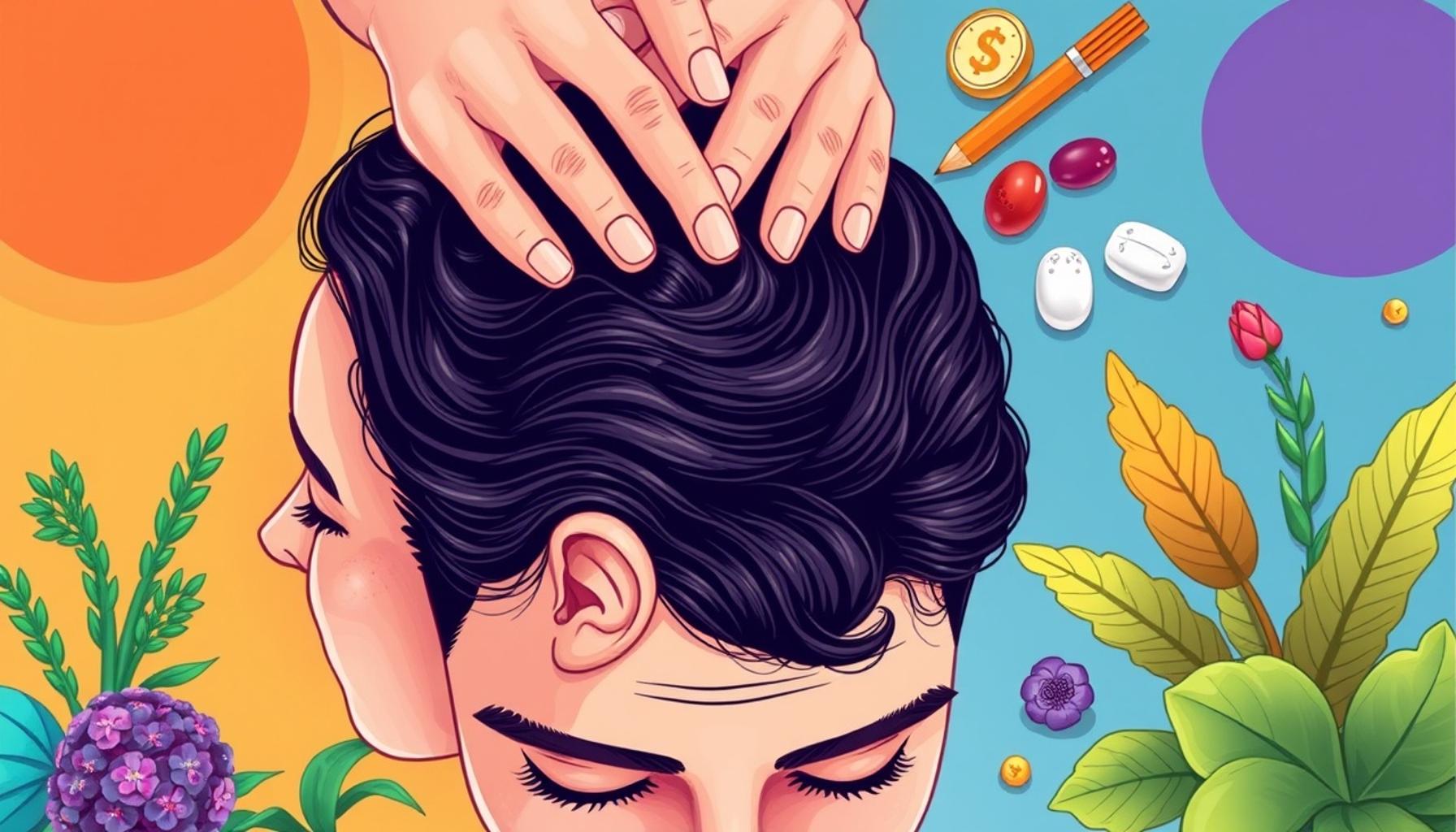
Lastly, incorporating scalp massages into your care routine is an easy yet effective method to promote blood circulation and stimulate hair follicles. Simply using your fingertips to massage your scalp for 5-10 minutes daily can increase blood flow, delivering nutrients more effectively to the hair roots. Not only does this practice improve scalp health, but it can also serve as a moment of relaxation amidst your busy day.
By focusing on nutrition, hydration, proper care, and soothing techniques like scalp massages, you can create a holistic approach to scalp health. These practices not only maintain a nurturing environment for hair growth but can also enhance your overall well-being, reflecting in the strength and shine of your hair.
Conclusion
Understanding the intricacies of scalp care is not merely a trend; it is a necessity for anyone aspiring to achieve vibrant, healthy hair growth. The quest for luscious locks begins at the roots, literally and figuratively, through a combination of attentive external and internal practices. By prioritizing hydration, and ensuring adequate intake of essential nutrients such as biotin, vitamin D, omega-3 fatty acids, and zinc, you make a powerful investment in the longevity and vitality of your hair.
Moreover, managing stress and adopting a gentle approach to hair styling are critical components that cannot be overlooked. Heat exposure and excessive styling may offer aesthetic benefits in the short term, but they can contribute to long-term damage that stunts healthy hair growth. Instead, embracing natural hairstyles and using scalp massages as a means to promote circulation can foster a nurturing environment for your hair.
Ultimately, the journey towards healthy hair is multi-faceted, requiring a balance of proper care practices and an awareness of lifestyle factors. By integrating these essential practices into your daily routine, you can cultivate not just a beautiful mane but also a sense of well-being, empowering you to radiate confidence as you embark on your hair care journey. The next step? Implement these strategies today to pave the way for tomorrow’s hair growth and discover the transformative effects they can have on your overall appearance.

Beatriz
Beatriz Johnson is a seasoned skincare specialist and writer with a passion for simplifying the complexities of beauty science and skincare routines. With over a decade of experience in the aesthetics industry, she specializes in topics like ingredient efficacy, anti-aging strategies, and global beauty trends. Through her work, Beatriz empowers readers to make informed skincare choices and stay ahead in the ever-evolving world of beauty and wellness.